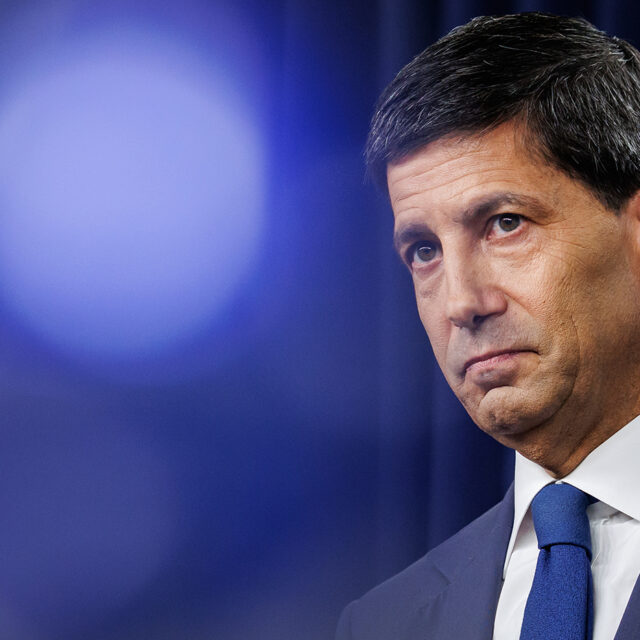
Ahead of the upcoming highly-anticipated Federal Reserve meeting, stubborn inflation, rising Treasury yields and signals from other central banks have all raised the prospect of a rate hike, which economists say is now all but certain. “Signals are pointing to broad inflationary pressure beyond one-off energy and tariff shocks,” said William Dickens, university distinguished professor emeritus of economics and public policy. He added that he expects the central bank to raise the benchmark interest rate by 25 basis points, or one-quarter of a percentage point — a move that could portend a more challenging period ahead for the economy.
The meeting comes amid recent concerns over rising government debt, with a global bond sell-off pushing yields to multi-year highs, while energy prices have surged amid the ongoing war with Iran. On Sept. 10, the European Central Bank raised its three key interest rates by 25 basis points, citing persistent inflationary pressures from the war. The following day’s consumer price index, or CPI, report by the Bureau of Labor Statistics showing that inflation remained elevated at 3.4% in August was the final major data point of the week to factor into expectations for the Fed’s decision on Sept. 16.