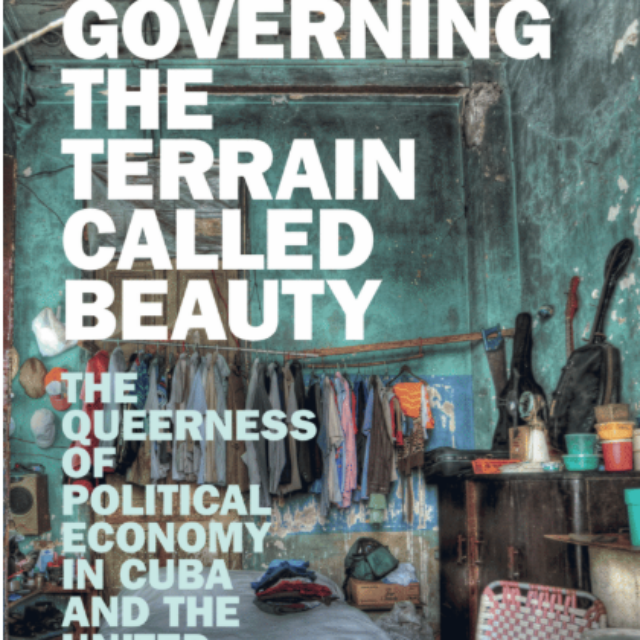
What can a socialist legal system teach rights-based democracies about LGBTQ equality? This is the main question addressed in “Governing the Terrain Called Beauty: The Queerness of Political Economy in Cuba and the United States” (Cambridge University Press, 2026), the new book by Professor Libby Adler of Northeastern University School of Law (Professor of Law and Women’s, Gender and Sexuality Studies). In a recent feature from Northeastern Law, Adler explains that the project grew out of her interest in how a jurisdiction like revolutionary Cuba might approach LGBTQ legal advancement differently from the US, where advocates have leaned heavily on liberal rights to win formal equality but have done far less to address economic divides within the LGBTQ community. The book continues the work of her first book, Gay Priori, which examined the costs of equal rights discourse, including the ongoing economic marginalization of LGBTQ people shaped by race, region, and age.
Drawing on comparative legal analysis, genealogy, critical social theory, and original interviews, Adler traces more than a century of LGBTQ identity and law in both countries, from the turn of the 20th century through the legalization of same-sex marriage. Her research shows how Cuba’s recurring economic struggles have been tied to how sexual and gender identity are governed there. The lesson she takes away is largely methodological. She concludes that attributing too much power to “capitalism” or “socialism” as broad labels can hide the complexity that a more genealogical approach brings into view. Adler is also co-editor of Mary Joe Frug’s Women and the Law and received the 2024 Association of American Law Schools LGBTQ+ Inclusive Excellence Award for her scholarship and institution-building at Northeastern.


