
Religion News Service, April 2026
Increasingly, people are turning to these practices not just for physical benefits, but to find meaning outside of institutional religion. But according to Liz Bucar, a scholar in religious ethics at Northeastern University in Boston, the spiritual impact of these practices is limited when divorced from their religious origins.
“I think people don’t know the ingredients of what they’re putting on their plate,” said Bucar, using an analogy that many Americans treat religion as a “salad bar” where they can curate their own spiritual experiences. “We often just dip into a technique, and we don’t really know the fuller context it comes from.”
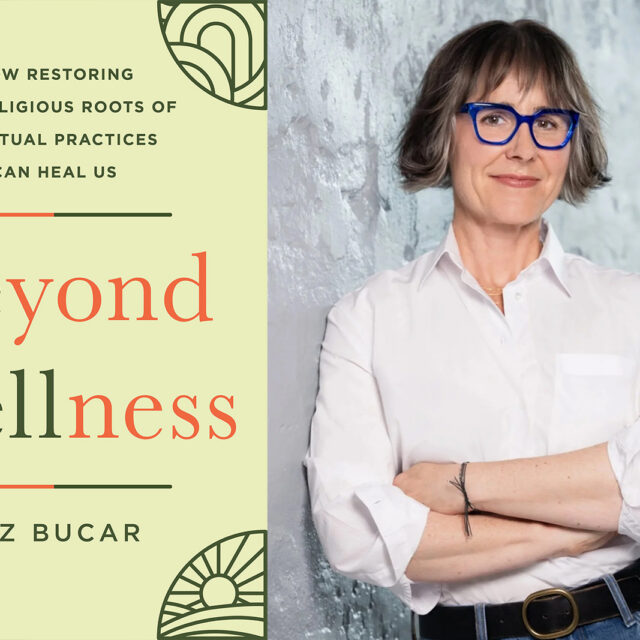
Her upcoming book, “Beyond Wellness: How Restoring the Religious Roots of Spiritual Practices Can Heal Us,” which publishes on April 28, doesn’t make the case for religious conversion. But it does suggest that when spiritual practices are devoid of ethical frameworks and communal obligations, they’ll fail to satisfy people’s hunger for purpose.