.coda, April 2022
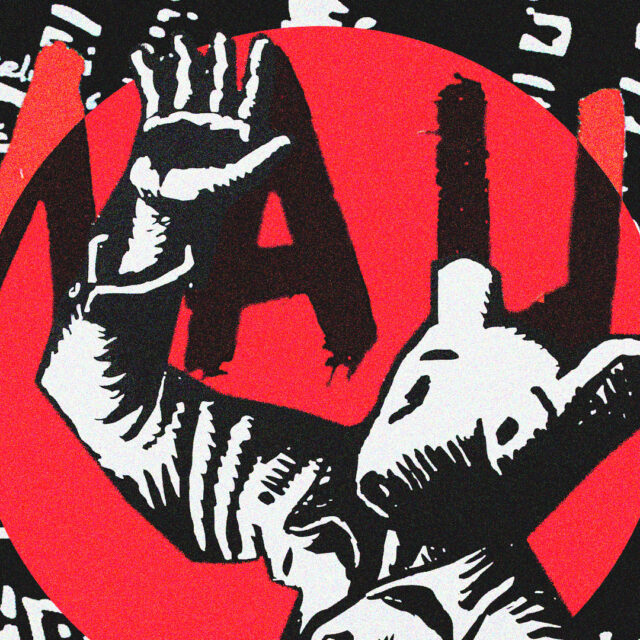
On the evening of January 10, 2022, the ten-member school board of McMinn County, Tennessee gathered to discuss Maus, the groundbreaking graphic novel by Art Spiegelman that tells his parents’ story of Holocaust survival. After some debate, most of which focused on the use of swear words and one instance of partial nudity in the text, the board voted to ban the book from the district’s eighth-grade language arts curriculum. A firestorm of reactions and media coverage followed, re-surfacing decades of controversy and critique that the book has generated worldwide since its first volume was published in 1986.
The Pulitzer Prize-winning book brings readers into the lives of Vladek Spiegelman, a Polish Holocaust survivor, and his rebellious cartoonist son, Art. The novel unspools two parallel journeys: Art’s attempts to document, understand and ultimately write a graphic novel about his father’s experiences in the Holocaust, and Vladek’s terrifying odyssey from prewar Poland to Auschwitz.
As the novel flashes between past and present – from Art’s experiences pleading with his father to tell him his story, to Vladek’s path to the camps – two figures hover like ghosts over its pages. There is Art’s mother, Anja, who survived the Holocaust with Vladek but took her own life decades later, and Art’s younger brother Richieu, who died by poison at the age of six, before Art was born. Richieu, along with his aunt and several cousins, intentionally poisoned themselves to avoid being captured by Nazis. Throughout the text, Anja and Richieu are ever-present reminders of all that was lost during, and after, the war.