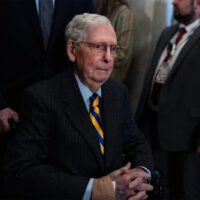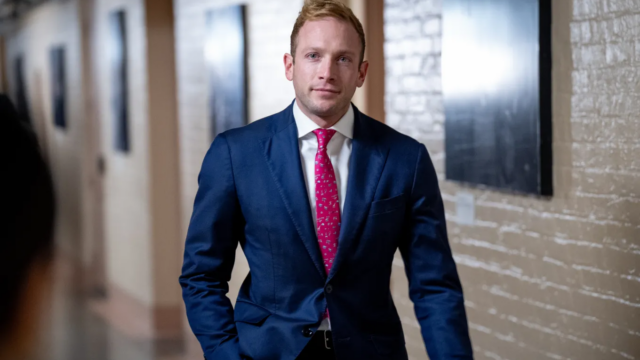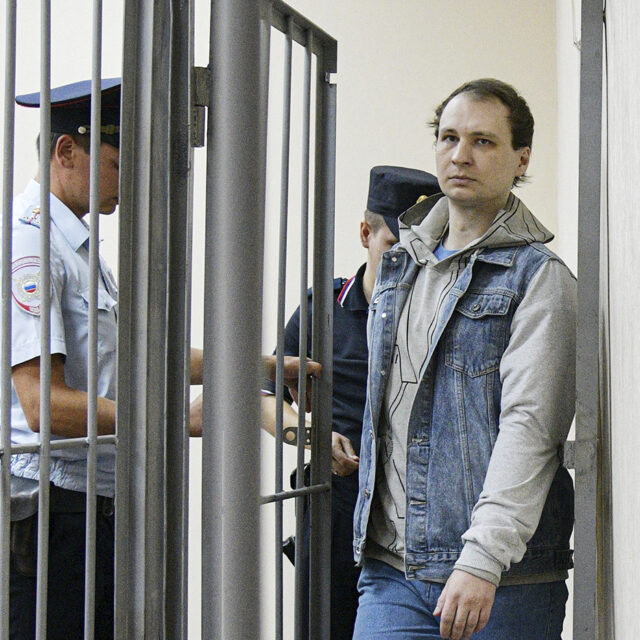
Evan Gershkovich, Brittney Griner, Paul Whelan — and now Robert Gilman. At one point or another over the last decade, these Americans have spent time behind bars in Russia, with Gilman, an ex-marine who was released last week, being the latest high-profile example of what some call wrongful detention, others hostage-taking.
“In the last five years or so, there have been multiple instances in multiple countries of U.S. citizens being detained and there being a process by which they were designated as wrongfully detained,” said Alexandra (Xander) Meise, an expert in international law who taught at Northeastern’s School of Law, adding that the Office of the Special Presidential Envoy for Hostage Affairs has gotten involved in a number of those cases. Historically a tactic used by militant groups and non-state actors, hostage-taking remains a viable tool for statecraft for authoritarian regimes seeking leverage amid what some observers have called of a return to great power competition, according to Meise. “When you look at instances of wrongful detention or hostage-taking, you often see asymmetric power positions between the countries involved,” she said.