Skip to content
Apply
Stories

Here’s why parents are hesitant about vaccinating their kids

People in this story

(Photo by Anthony Behar/Sipa USA)(Sipa via AP Images)
William Barefoot, 13, sits on his mother's lap, Kathleen Barefoot, as a registered nurse fills a syringe with a dose of the Pfizer COVID-19 vaccine for his first shot, at a vaccination site set up in the American Museum of Natural History in New York, NY, May 18, 2021.

Why do parents, especially mothers, continue to have misgivings about the COVID-19 vaccine for their children, even as youngsters made up 15 percent of all new infections as of early August? Their chief concern is vaccine safety, according to a U.S. survey by researchers from Northeastern, Harvard, Northwestern, and Rutgers that sheds new light on specific parental worries.

The study found that doubts about whether the vaccine has been tested enough was the most pressing concern, as cited by 51 percent of parents who won’t allow their children to be vaccinated. It was followed closely by the potential for long-term health effects (50 percent) and the newness of the vaccines (46 percent).

The June to July survey of 5,000 parents listed 10 possible hesitancies and asked respondents to rate each as either a major concern, a minor concern, or no concern. Religious objections to vaccines and the government using them to harm people were of no concern to most people.

A prior Northeastern study found that parents held a more favorable view of COVID-19 immunizations for their children than they had earlier in the year. However, researchers had not honed in on particular hesitancies until now. Decisions by parents on whether their kids are vaccinated “becomes increasingly important as kids are going back to school,” says David Lazer, university distinguished professor of political science and computer sciences at Northeastern, and one of the researchers who conducted the study.

Continue reading at News@Northeastern.

More Stories

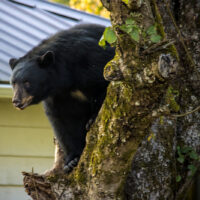
The American black bear (Ursus americanus) is a medium-sized bear endemic to North America. It is the continent's smallest and most widely distributed bear species. American black bears are omnivores, with their diets varying greatly depending on season and location.

Spotted a bear lately? You’re not alone — why sightings are on the rise

03.13.2026
A Palestinian youth collects water at a desalination plant in Khan Younis, southern Gaza Strip, Friday, Feb. 6, 2026. (AP Photo/Abdel Kareem Hana)

Attacks on desalination plants in the Middle East threaten vital freshwater supplies for civilians

03.12.2026
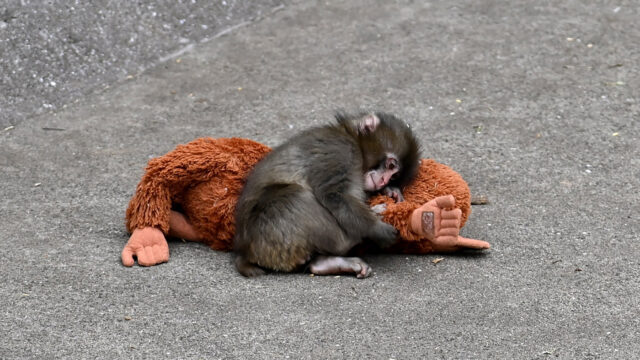
CHIBA, JAPAN - FEBRUARY 20 : Baby monkey named 'Punch' is seen with a stuffed animal at a zoo on February 20, 2026, in north of Tokyo, Chiba Prefecture, Japan. Abandoned by his mother at birth, the monkey found comfort with a stuffed animal. (Photo by David Mareuil/Anadolu via Getty Images)

What an abandoned monkey and his IKEA orangutan tell us about primates –  of the sapiens species

03.16.26
Northeastern Global News