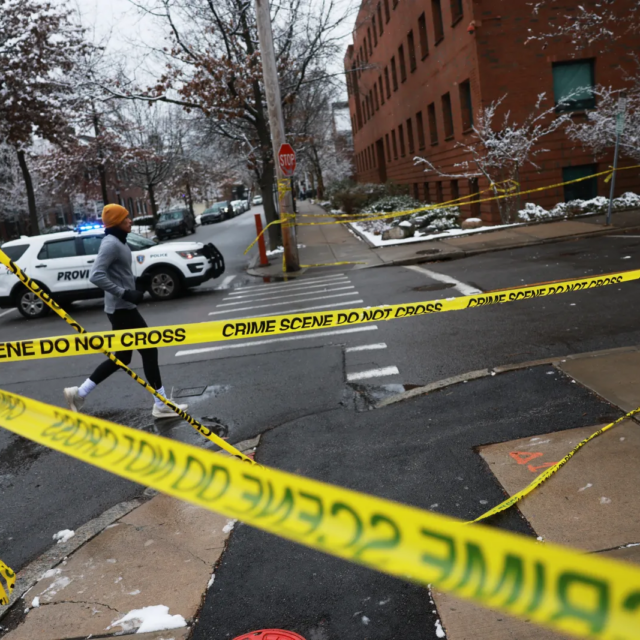
Newsweek, December 2025
Homeland Security Secretary Kristi Noem announced a pause in the diversity lottery immigrant visa program, which was used by Claudio Neves Valente—the Brown University shooting suspect—to enter the United States. Data shows immigrants are not more likely to commit mass shootings than natural-born U.S. citizens. Newsweek reached out to the Department of Homeland Security (DHS) for comment via email.
Why It Matters
Valente was found dead on Thursday from a self-inflicted gunshot wound inside a storage facility in Salem, New Hampshire, according to police. He is suspected in the fatal shootings of two students—Ella Cook, 19, and MukhammadAziz Umurzokov—on Brown’s campus and MIT professor Nuno F.G. Loureiro at his home in Brookline, Massachusetts. Valente was a former Brown student and Portuguese national.
His identification renewed questions about the U.S. immigration system as Noem tied the administration’s pause on the diversity lottery visa to the shooting. The White House has argued that more restrictive immigration measures are needed to prevent violence. Supporters praised the move as improving the country’s national security and safety. But criminologists told Newsweek there is no clear connection between immigration status and likelihood of carrying out a mass shooting, and that the rule change would have a limited impact.