
Times Now, August 2026
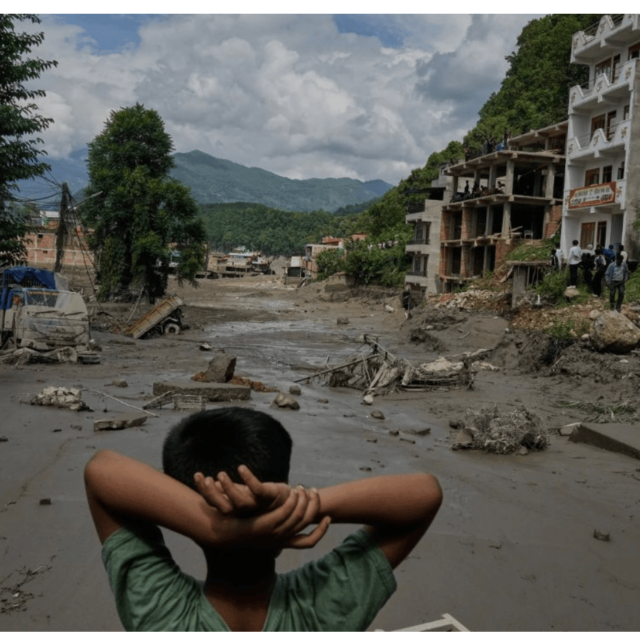
Over 100 people have been killed and hundreds more are missing after flash floods swept through Nepal and China’s Tibet region, destroying settlements and leaving large areas inundated. Among those missing are hundreds of tourists, including Indians. The disaster, however, has also raised questions about how well countries are prepared for extreme weather events. “Our current institutions are designed for a world which no longer exists,” Daniel P. Aldrich, Dean’s Professor of Resilience and Director of the Resilience Studies Program at Northeastern University, told Times Now Digital. “Our predictions, our models, our physical infrastructure envisioned an environment where temperature and humidity would remain stable,” he said.
Aldrich added that governments needed to move away from focusing primarily on disaster recovery and instead invest in infrastructure and systems designed to withstand a changing climate. “We did not build resilient physical infrastructure for a world of climate change,” he said. “We need to reorient our spending and our budget priorities away from disaster recovery to resilient futures.”