The Atlantic, August 2026
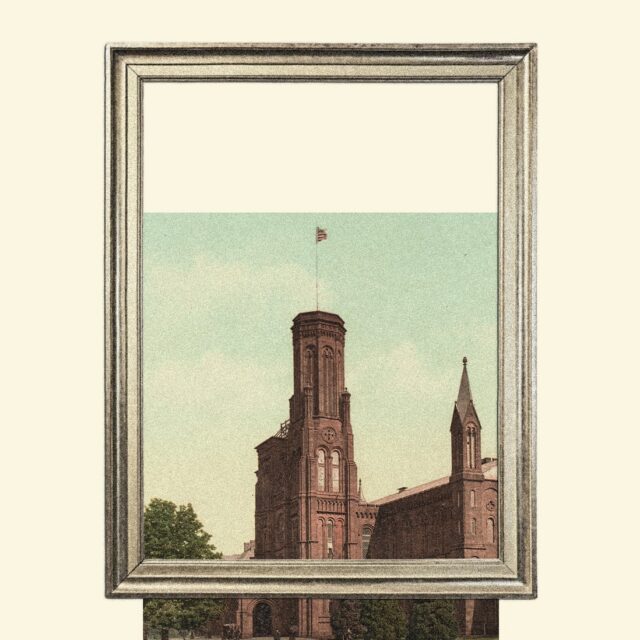
Earlier this year, I visited a “Freedom Truck,” one of the patriotic mobile museums that the Trump administration is sending around the country for the nation’s 250 birthday. There, I had a wide-ranging conversation with a visitor who complained that the U.S. education system is not teaching what she called true history. But when I mentioned the Smithsonian, her disposition changed entirely. She’d heard rumors about “a lot of liberalism going through the Smithsonian now,” she told me, but added, “I love the Smithsonian. I don’t have a problem with it.”
I hear this a lot, actually. Even now, as the museum complex continues to face a pressure campaign from the White House, public fondness for the Smithsonian—for its free entry and eclectic collections—is hard to break among those otherwise receptive to President Trump’s anti-institutionalism. Attacks on the credibility of institutions, especially those that disseminate information—universities, public schools, media organizations—have become commonplace in this so-called post-truth age. Recent data from Gallup, published last month, suggested that confidence in the majority of institutions asked about in the survey, including newspapers, public schools, and TV news, is at or near historic lows. Pollsters, meanwhile, don’t even include museums in the Gallup surveys. Although museums have certainly faced some criticism from the left and right, until now, they’ve been largely immune to the most deleterious effects of the culture wars.