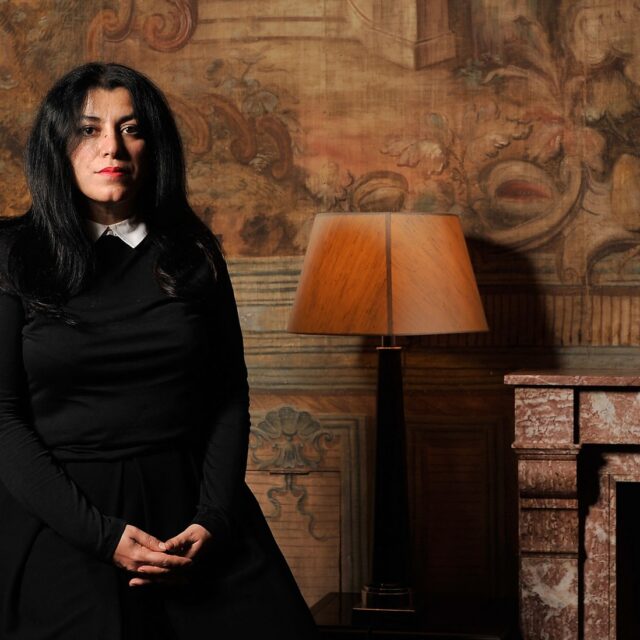
The Atlantic, June 2026
When the news broke last week that Marjane Satrapi, the French Iranian artist best known for the groundbreaking graphic memoir Persepolis, had died at age 56, I had what turned out to be a common reaction: That’s impossible. A friend wrote to me that Satrapi seemed invincible, which feels correct—not only because of the bold vitality of her books and films and public statements but also because Persepolis is, in so many ways, about survival.
A quarter century after the publication of her most famous work, Satrapi still had so much to say, both in her art and in her role as a public intellectual. Just last year, she declined the Legion of Honor, France’s highest order of merit, citing the government’s “hypocritical attitude towards Iran.” (Born in Rasht, Iran, Satrapi moved to Paris in 1994 and became a French citizen in 2006.) This refusal did not affect her stature in her adopted country: On Thursday, French President Emmanuel Macron issued a statement announcing her death and calling her “a leading figure in French culture and a freedom-loving artist.”