When Richard Freeland, an emeritus distinguished professor of history at Northeastern University, was doing research in the late 1960s for a book on President Harry Truman, he frequently made use of the former president’s library. Low-slung, modest in design and scale, and tucked away on a hill overlooking the Kansas City skyline in Independence, Missouri, the Harry S. Truman Presidential Library and Museum is a repository for everything that could be recorded and preserved during Truman’s presidency. That included presidential papers, correspondence, memoranda, policy drafts and meeting notes, photographs and audio recordings, even the odd glimpse into private feuds and other personal dramas, such as with a Washington Post writer who was critical of Truman’s daughter’s musical performances.
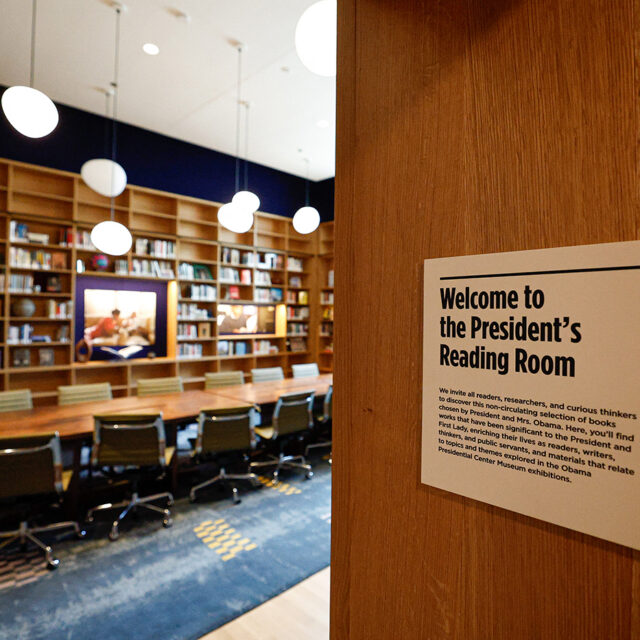
For Freeland, who was looking to document how the Truman administration’s early Cold War policies contributed to McCarthyism, the library was an indispensable resource. “So far as I could tell, I had access to anything I wanted,” Freeland told Northeastern Global News. That was more than 60 years ago. But, more than a dozen presidents later, as the Obama Presidential Center and library prepares to open on June 19, and with Donald Trump proposing a site in downtown Miami for his future library, experts say the concept of these institutions as primarily archival repositories has radically shifted. Such places are now widely seen as vehicles for legacy-branding, commemoration and even architectural grandeur, the experts say.