
Inside Higher Ed, July 2026
Critics of higher education have long sought to sow doubt about the value of a college education by casting aspersions on the values it allegedly promotes. Turning Point USA’s “Professor Watchlist” has antecedents in “the 101 most dangerous academics in America,” 1980s and 1990s jeremiads like Allan Bloom’s The Closing of the American Mind and Roger Kimball’s Tenured Radicals, and, even further back, William F. Buckley’s 1951 God and Man at Yale. The left-wing indoctrination myth has always been just that—a myth. Ed Burmila, Jeffrey Sachs and David A. Bell, among others, cite ample evidence that the political views of professors aren’t particularly radical in the first place and that those views have a negligible effect on students’ own (also see here and here).
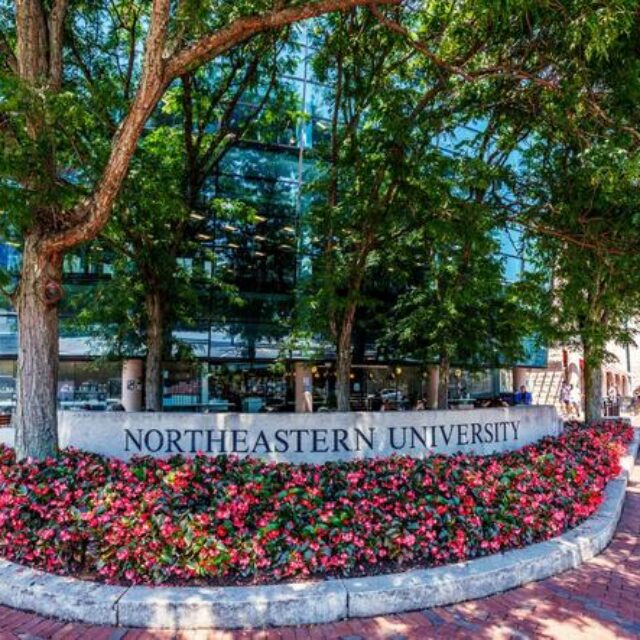
In our forthcoming book, Getting Learning Right: The Promise of Higher Education (MIT Press), we share the results of a study that followed 20 Northeastern University students every semester from their first year through graduation. The study confirms what others have found: With few exceptions, professors welcomed diverse viewpoints and insisted that students formulate their own analyses and views. The students also described being influenced by a variety of people, not just professors—classmates, friends, family members, advisers, co-workers, bosses and more. Some intentionally chose mentors with diverse perspectives.