
Skip to content
Celebrating Black History Month 2026: A Living Archive of Thought, Culture, and Possibility
Apply
Stories

What is Jevons Paradox? And why it may — or may not — predict AI’s future

People in this story

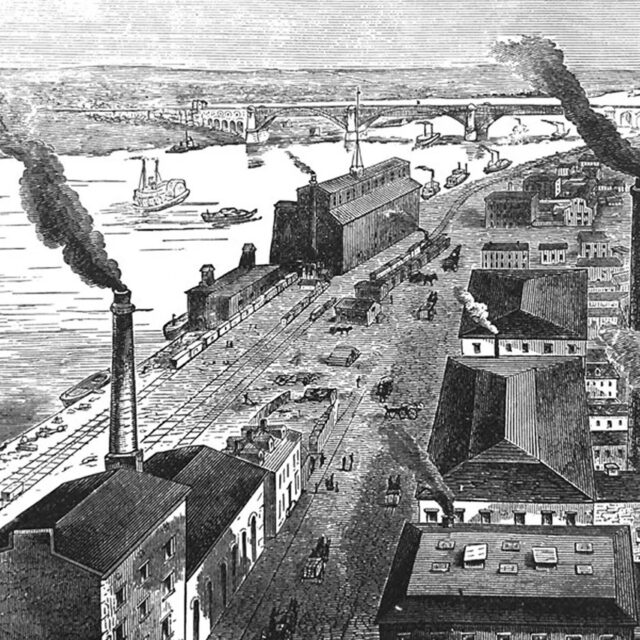
A drawing depicts steam engines in America.

In 1865, William Stanley Jevons first described a paradox. He maintained that more efficient steam engines would not decrease the use of coal in British factories but would actually increase it. As the fossil fuel became cheaper, demand for the resource would grow, leading to the construction of more engines. So, what does coal consumption in the 19th century have to do with today?

The technology sector hopes the answer is a lot, as entrepreneurs resurrect the paradox to buoy their projections for AI growth amid the emergence of a low-cost chatbot by Chinese startup DeepSeek. “Jevons paradox strikes again!” Microsoft CEO Satya Nadella wrote on social media in the wake of the DeepSeek announcement. “As AI gets more efficient and accessible, we will see its use skyrocket, turning it into a commodity we just can’t get enough of.”


Continue reading at Northeastern Global News.

More Stories

Why Are So Many Star Athletes Being Robbed?

02.09.2026
FILE - Health department staff members enter the Andrews County Health Department measles clinic carrying doses of the measles, mumps and rubella vaccine, Tuesday, April 8, 2025, in Andrews, Texas. (AP Photo/Annie Rice, File)

As measles cases are soar, US may lose its elimination status if disease is reestablished

02.09.2026

Is Puerto Rico Part of the US? Bad Bunny’s Halftime Show Sparks Questions About Identity, Culture, and Grammy Speech

02.09.26
In the News