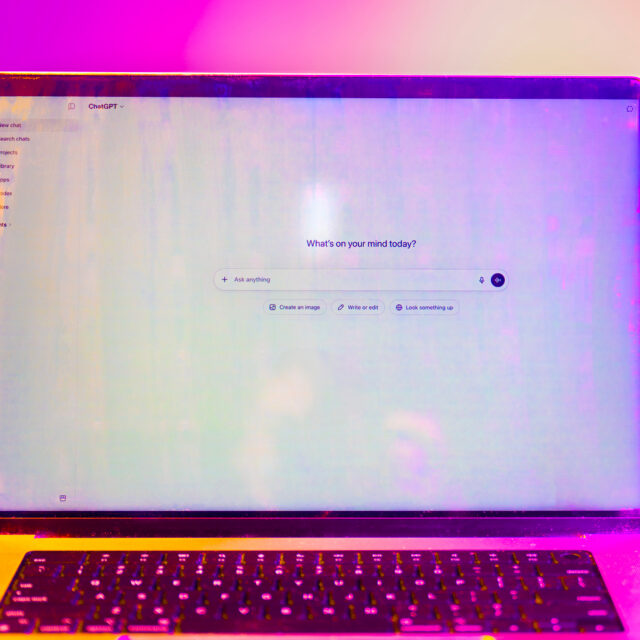
The disruptive force of artificial intelligence is engulfing the world of book publishing. In March, publisher Hachette Book Group pulled a forthcoming horror novel after online sleuths accused the author of using generative AI to write portions of the book — a charge that the author denied, blaming, instead, an acquaintance who edited the book. Last week, author Steven Rosenbaum faced backlash after readers discovered that some citations and source material in his book “The Future of Truth: How AI Reshapes Reality” were hallucinated by chatbots or appeared to be fabricated, including quotes from Lisa Feldman Barrett, a Northeastern distinguished university professor.
Rosenbaum responded to the allegations by highlighting that he’d used “ChatGPT and Claude during the research, writing and editing process,” according to a statement he gave to the New York Times. He said that he took “full responsibility” for the errors and is working to correct them in future editions of the book, the newspaper reported.