

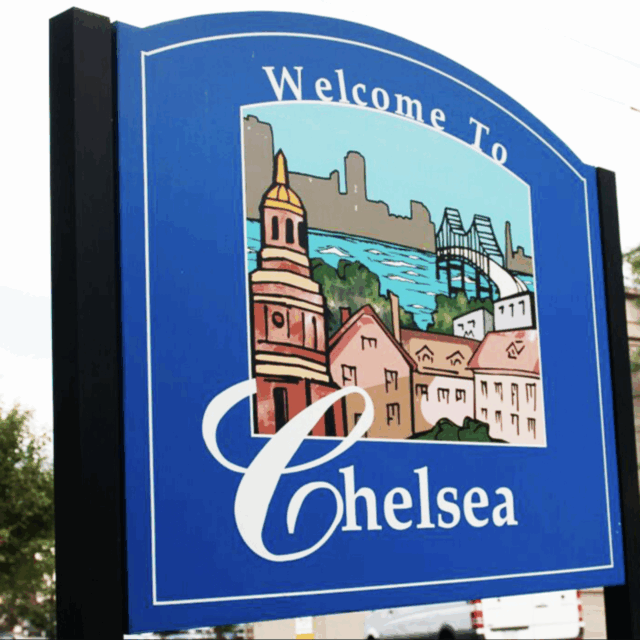
In collaboration with the city of Chelsea, Mass. and local non-profits, the team will demonstrate how sensor networks in architecture projects can enhance local knowledge about microspatial inequities and mitigation by green infrastructure. As part of the research, before-and-after data and models about factors affecting neighborhood climate, resilience, health, and equity will generate insights on how smarter green infrastructure mitigates microspatial inequities, and how accessible data and models can transform design. The resulting Common SENSES Architectural Playbook and film, and the collaborative modeling platform (Fora.ai) adapted for this project will empower current and future architects, planners, and educators to advance the role of design in urban equity.
The winning team impressed the jury by emphasizing how designers can understand outcomes for people. Their community-first research proposal promises to contribute insight into design strategies promoting planetary health and human health across the building, landscape, and city scale.
Collaborators and Funders
- Daniel T. O’Brien, Associate Professor of Public Policy and Urban Affairs and Criminology and Criminal Justice; Director, Boston Area Research Initiative
- Moira Zellner, Professor of Public Policy and Urban Affairs; Director of Participatory Modeling and Data Science
- Michelle Laboy, Assistant Professor of Architecture
- Amy Mueller, Assistant Professor of Civil and Environmental Engineering and Marine and Environmental Sciences
- City of Chelsea, MA and local non-profits