
The Conversation, February 2021
Many Democratic lawmakers aim to pass a Green New Deal, a package of policies that would mobilize vast amounts of money to create new jobs and address inequality while fighting climate change.
Led by Rep. Alexandria Ocasio-Cortez and Sen. Ed Markey, they are calling for massive investments in renewable energy and other measures over a decade that would greatly reduce or even end the nation’s overwhelming reliance on fossil fuels.
As experts in environmental geography, sociology, and sustainability science and policy, we wholeheartedly support this effort. And, as we explained in a recently published study, climate change is not the only reason to ditch fossil fuels.
The coal, oil and natural gas industries are also major contributors to human rights violations, public health disasters and environmental devastation.
Sacrifice zones
While conducting our research, we constantly encounter new evidence that depending on fossil fuels for energy harms people and communities at every point along fossil fuel supply chains, especially where coal, oil and natural gas are extracted.
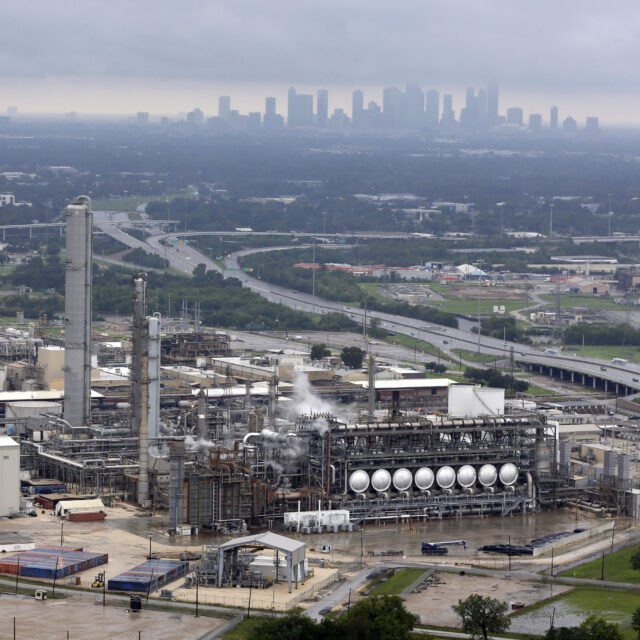
Fossil fuels require what journalist Naomi Klein calls “sacrifice zones” – places and communities damaged or even destroyed by fossil fuel drilling and mining. But we have observed that politicians and other decision-makers tend to overlook these harms and injustices and that most energy consumers – meaning most people – are generally unaware of these issues.
We see no sign that decisions about new pipelines, power plants and other fossil fuel infrastructure account fully for the harms and costs of these industries to society and the toll taken on nature from pollution and other problems attributable to burning fossil fuels.


