Skip to content
Apply
Stories

Free speech on social media doesn’t mean the same thing around the world

People in this story

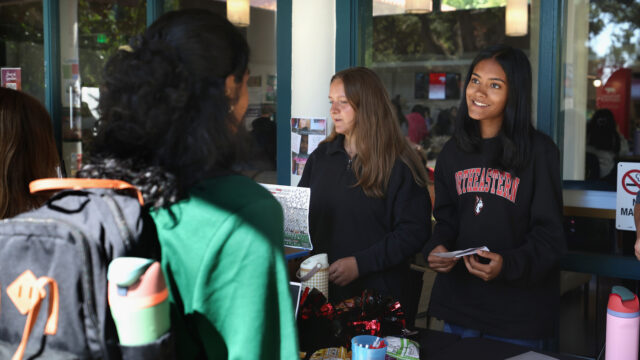
Photo by Matthew Modoono/Northeastern University

Facebook, Google, Instagram, and other social media giants are based in the United States, where they have faced relatively little government oversight. But their reach extends around the world, influencing a wide spectrum of audiences in a variety of ways. A Northeastern survey of four diverse democracies found that people in other countries differ from Americans when it comes to opinions as to how social media companies should be regulated, with respondents in the United Kingdom, South Korea, and Mexico favoring stricter content moderation than people in the U.S.—especially in cases that cause harm or distress.

Governments around the world have debated regulations to curb the misinformation and hate speech that have proliferated  on social media. The study, led by Northeastern journalism faculty members John Wihbey and Myojung Chung, compared public opinion across the four nations on issues of online censorship, free speech, and social-media regulation.
Continue reading at News@Northeastern.

More Stories

Workers and volunteers prepare to pack the Bayeux tapestry to transfer to the British Museum, at the Bayeux Tapestry Museum, in Bayeux, northwestern France, Thursday, Sept. 18, 2025. (Lou Benoist, Pool via AP)

The 70-meter Medieval tapestry captivating London

08.12.2026
Brazil's Casemiro (5) battles for the ball with Haiti's Frantzdy Pierrot (20) during the World Cup Group C soccer match between Brazil and Haiti in Philadelphia, Friday, June 19, 2026. (AP Photo/Petr David Josek)

Former Northeastern soccer player Frantzdy Pierrot played for native Haiti in World Cup

08.04.2026
A text is viewed on a mobile device Wednesday, Oct. 30, 2024, in Washington, as across the U.S., people's phones are pinging with text messages from Donald Trump, Kamala Harris and their allies in the presidential campaign's final days. (AP Photo/Jon Elswick)

Political texts can boost voter turnout, but only slightly, study finds

08.12.26
Northeastern Global News