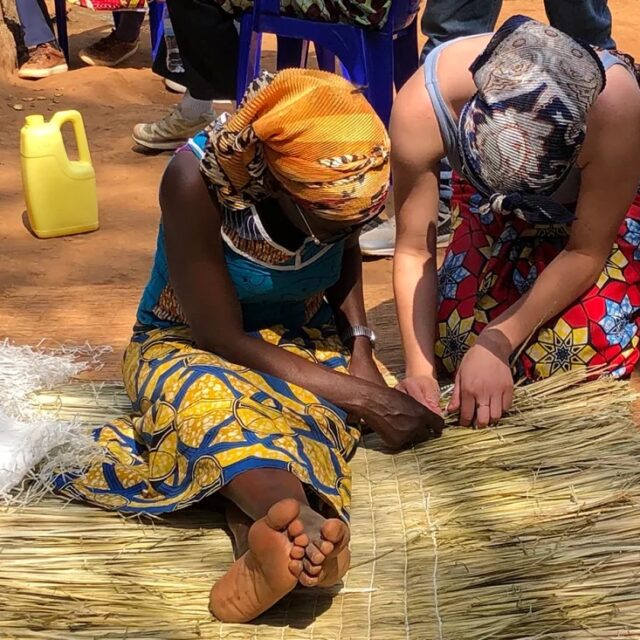
It’s not every day that a country’s government works hand-in-hand with college students. But Northeastern University students did just that while in Rwanda for a Dialogue of Civilizations course on the country’s economic development and conflict resolution. Throughout the month they spent living in the country’s capital of Kigali, students presented case studies with suggestions on economic policy to government officials, met with local business owners, traveled to remote villages to see development in action and worked with local nonprofits to create multimedia content to support their work.
“The furthest we went was almost six hours away from Kigali,” said Michail Michailidis, a senior economics major. “I was looking out the window and you would see development actually taking place. You’d see people laying roads, you’d see people getting their water from wells. It was incredible to be able to listen and to see how development is in place.” Students worked with local nonprofits and Rwanda’s Ministry of Information, Communication, Technology and Innovation to learn more about what can be done to help Rwanda’s economy thrive, including meeting with business owners and sharing their feedback with government officials.