Skip to content
Apply
Stories

‘Paper Lanterns’ reflects common humanity in the face of violence

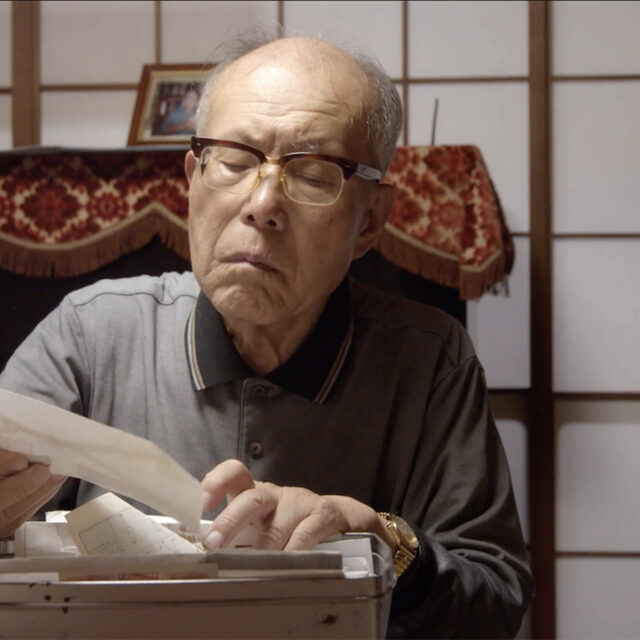
At 8 years old, Shigeaki Mori saw his home town of Hiroshima obliterated when the U.S. military dropped the first wartime atomic bomb in 1945. As an adult, he spent decades researching and contacting family members of 12 U.S. prisoners of war who were also killed in that explosion so that they, too, would be remembered as victims.

The devastating bombing and Mori’s tireless efforts are detailed in a documentary called “Paper Lanterns,” discussed at a Northeastern event honoring Asian American Pacific Islander Heritage month.

Although the bombing happened 75 years ago, its lessons about the toxicity of hate and the redemptive power of empathy remain relevant, said the film’s producer, Nobuko Saito Cleary.

“It shows how important it is to respect the different person, even though they were enemies,” said Saito Cleary, who graduated from Northeastern with a bachelor’s degree in English in 1970.

Continue reading at News@Northeastern.

More Stories

Workers and volunteers prepare to pack the Bayeux tapestry to transfer to the British Museum, at the Bayeux Tapestry Museum, in Bayeux, northwestern France, Thursday, Sept. 18, 2025. (Lou Benoist, Pool via AP)

The 70-meter Medieval tapestry captivating London

08.12.2026
Brazil's Casemiro (5) battles for the ball with Haiti's Frantzdy Pierrot (20) during the World Cup Group C soccer match between Brazil and Haiti in Philadelphia, Friday, June 19, 2026. (AP Photo/Petr David Josek)

Former Northeastern soccer player Frantzdy Pierrot played for native Haiti in World Cup

08.04.2026
A text is viewed on a mobile device Wednesday, Oct. 30, 2024, in Washington, as across the U.S., people's phones are pinging with text messages from Donald Trump, Kamala Harris and their allies in the presidential campaign's final days. (AP Photo/Jon Elswick)

Political texts can boost voter turnout, but only slightly, study finds

08.12.26
Northeastern Global News