Mask-wearing in the United States has gradually increased over time while distancing measures have dramatically fallen, according to a study that has continuously tracked the virus-related personal behaviors of thousands of people since April. The findings suggest a link between the current U.S. surge in coronavirus infections and relaxed attitudes about staying away from others.
The latest survey of all 50 states and the District of Columbia, by researchers from Northeastern, Harvard, Northwestern, and Rutgers universities, found that other practices such as washing hands, disinfecting surfaces, and avoiding crowded places also reached all-time lows in October.
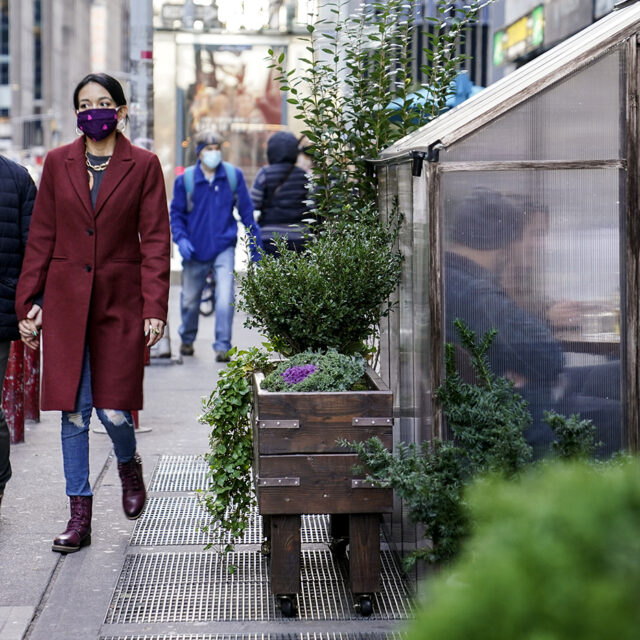
The one important exception was mask-wearing, the study found. The practice steadily increased through the end of August, and has held steady since then, with about 77 percent of people reporting that they very closely adhered to recommendations to wear masks in November. The discrepancy may be explained by strong public messaging supporting facial coverings as an effective way to limit the spread of SARS-CoV-2, the coronavirus that causes COVID-19.
People may also be picking and choosing depending on which method is seen as less burdensome, says David Lazer, university distinguished professor of political science and computer and information sciences at Northeastern, and one of the researchers who conducted the online study. “Wearing a mask is, relatively speaking, really not that burdensome given the array of things that people have out there to limit the risk,” he says.