Skip to content
Apply
Stories

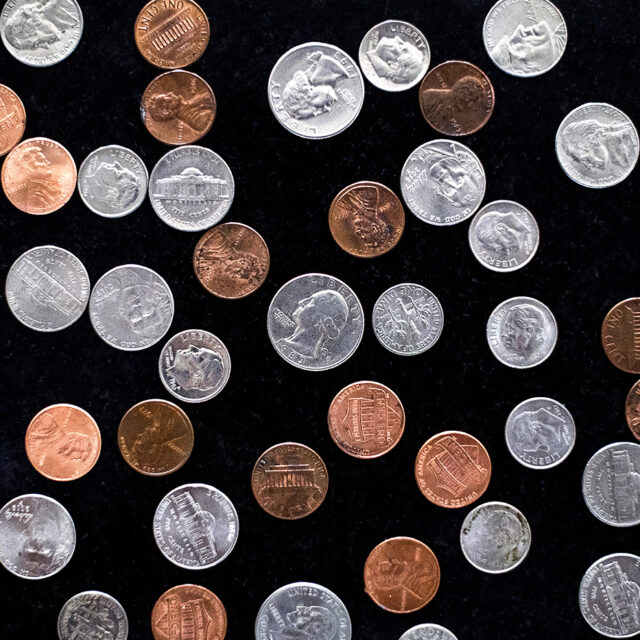
An unexpected consequence of the covid-19 pandemic? A national coin shortage.

People in this story

Photo by Matthew Modoono/Northeastern University

If you’ve been out and about in the United States in the past few weeks (masked up, of course), you may have noticed a strange sound. Or rather, the lack of one: loose change jangling around.

A national coin shortage is the latest consequence of the COVID-19 pandemic in the U.S. As people avoid public spaces that include vending machines and laundromats, or just avoid paying with physical money altogether, the circulation of coins has dropped, says William Dickens, university distinguished professor of economics and social policy at Northeastern.

“Instead of being recirculated, those coins are just sitting in people’s pockets or in their dresser drawers—they’re not going back into the system,” he says.

Continue reading at News@Northeastern.

More Stories

Race to deploy AI data centres in space raises safety concerns

03.12.2026
A Palestinian youth collects water at a desalination plant in Khan Younis, southern Gaza Strip, Friday, Feb. 6, 2026. (AP Photo/Abdel Kareem Hana)

Attacks on desalination plants in the Middle East threaten vital freshwater supplies for civilians

03.12.2026
The American black bear (Ursus americanus) is a medium-sized bear endemic to North America. It is the continent's smallest and most widely distributed bear species. American black bears are omnivores, with their diets varying greatly depending on season and location.

Spotted a bear lately? You’re not alone — why sightings are on the rise

03.13.26
Northeastern Global News