
Skip to content
Apply
Stories

Zoning laws, racial covenants, and segregation in Greater Boston explored in new report

People in this story

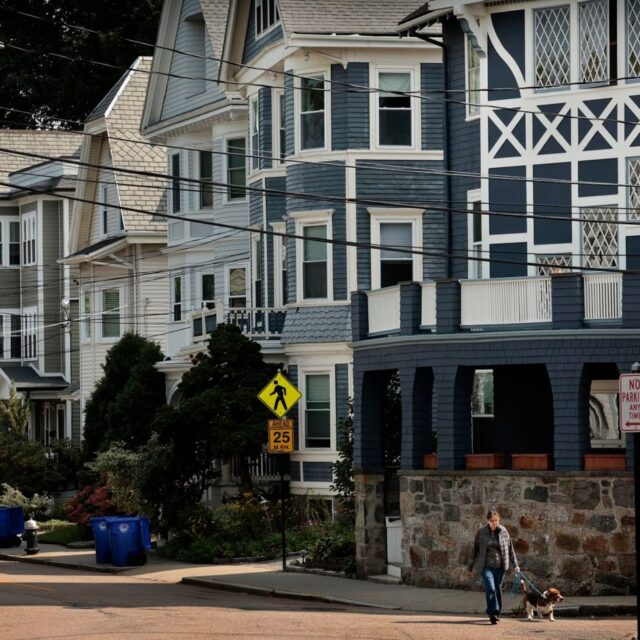
Homes line Davis Avenue in Brookline, where racial covenants in 1843 once prohibited property sales to

The Boston Globe, November 2023

Massachusetts has an extensive history of using racial covenants and exclusionary zoning policies to keep people of color out of certain communities, according to a new report released Wednesday that aimed to trace the roots and causes of Greater Boston’s stark racial segregation in a way few studies have before.

The report uses community planning documents, state archival records, and news archivesto explore how cities and towns made zoning an effective tool in denying opportunities to people of color, religious minorities, immigrants, families with school-aged children, and “outsiders.”

The report comes as policymakers have proposed a series of housing reforms, including doing away with exclusionary zoning rules, to confront a housing crisis that has helped make Greater Boston one of the country’s most segregated metropolitans even today.

Continue reading at The Boston Globe.

More Stories

Race to deploy AI data centres in space raises safety concerns

03.12.2026
A Palestinian youth collects water at a desalination plant in Khan Younis, southern Gaza Strip, Friday, Feb. 6, 2026. (AP Photo/Abdel Kareem Hana)

Attacks on desalination plants in the Middle East threaten vital freshwater supplies for civilians

03.12.2026
The American black bear (Ursus americanus) is a medium-sized bear endemic to North America. It is the continent's smallest and most widely distributed bear species. American black bears are omnivores, with their diets varying greatly depending on season and location.

Spotted a bear lately? You’re not alone — why sightings are on the rise

03.13.26
Northeastern Global News