New Projects

Juliana Spahr
Policy Partner: Syd Staiti, Executive Director, Small Press Traffic
Who Gets to Be a Writer?: Studying Equity in Contemporary US Literature
“Who Gets to Be a Writer,” led by Yakov Bart (D’Amore-McKim School of Business), Samsun Knight (University of Toronto’s Rotman School of Management), Juliana Spahr (Mills College), and Stephanie Young (Mills College), is at once a foundational inquiry into the mechanics of literary production and an attempt to better understand the historical trajectories of authorship, prestige, institutional forces, publishing, and circulation that have a significant impact on both literary aesthetics and access across the late twentieth century into the present. We are partnering with Small Press Traffic (a Bay Area literary organization) and will be examining the entry paths for writers who are not part of networks that come with elite institutional ties. We are interested in discovering what other networks may enable these writers, and what writers and literary institutions of all sizes may have to learn from them.

Carol Theokary
Policy Partner: Alliance for Community Development, RUNWAY
The Equity Toll of “Business as Usual” during the Pandemic: Can we do better?
Extant literature shows evidence of better access to financing for small businesses with existing ties to financial institutions. This study investigates whether private sector enterprises that utilize these approaches potentially contribute to the growing inequities between the affluent vs. underserved consumer groups. Using the example of the Paycheck Protection Program (PPP) during the COVID-19 pandemic, we uncover that the allocation of scarce resources by private companies did not serve the pressing needs of small business owners in socio-economically disadvantaged communities. Our results establish the importance of a timely governmental intervention and have interesting equity implications that offer prescriptive guidance to marketers and public policy makers.
Louisa Smith
Policy Partner: Maine Women’s Lobby
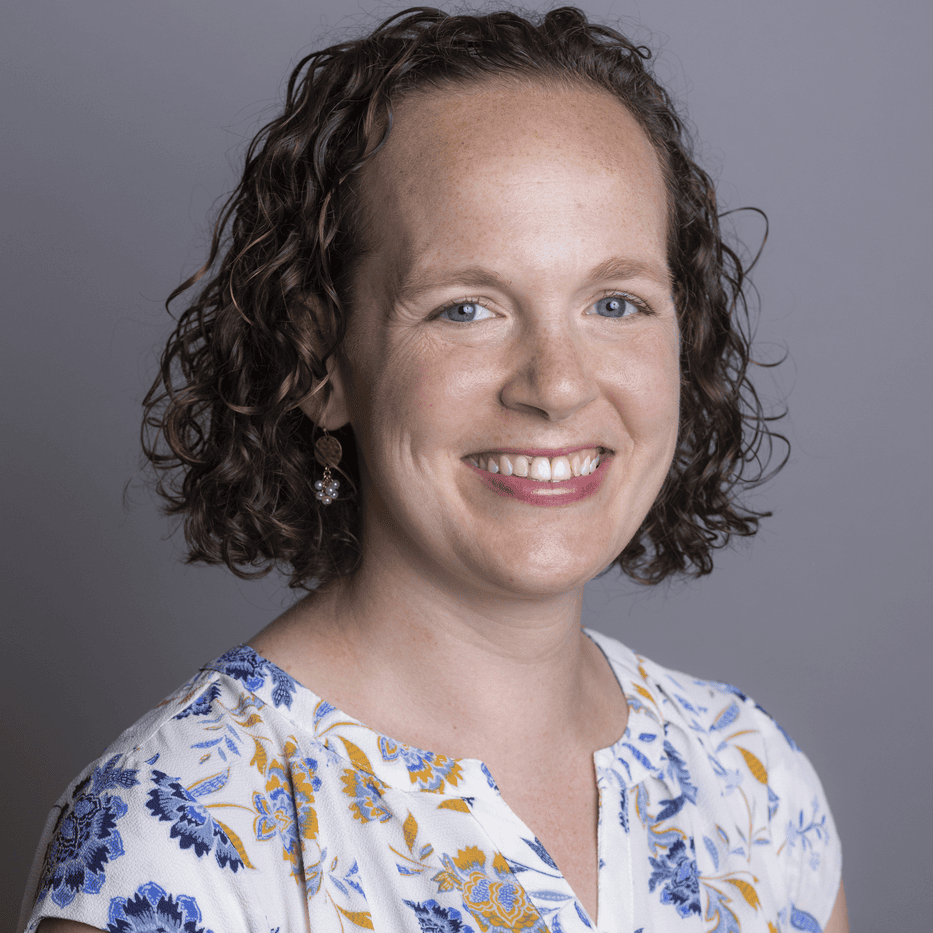
Evaluating the Impact of Maine’s Paid Family and Medical Leave Law on Postpartum Individuals
This project pilots a survey to evaluate the impact of Maine’s new Paid Family and Medical Leave (PFML) law on postpartum individuals. Recognizing the law’s potential to enhance health and economic outcomes for families, particularly in the context of Maine’s demographic shifts and rural health disparities, this study aims to inform rulemaking and ensure equitable benefit distribution. The pilot will develop research tools and methods for a larger-scale assessment, focusing on decision-making regarding leave, healthcare access, and health outcomes. Collaboration with the Maine Women’s Lobby and a diverse Community Advisory Board will ensure the survey reflects varied community needs and supports effective policy implementation.

Michael Wilczek
Policy Partner: Jobs for Maine Graduates
Creating Awareness of Life Science Careers for Rural Communities in Maine
Rural communities face a growing number of challenges like limited exposure to STEM opportunities, constrained funding, and less visibility. Our proposal, Creating Awareness of Life Science Careers for Rural Communities in Maine, uses augmented reality technology to help high school students throughout Maine understand biological concepts and techniques that are key to life science careers such as: polymerase chain reaction, protein quantification assays, and gel electrophoresis. The embedded partnership with Jobs for Maine Graduates will illustrate how these classroom fundamentals build onramps to STEM careers and support Maine’s comprehensive economic development plan to recruit and retain talent.

Omar Badreldin
Policy Partners: Stephanie Goetz, Statistics Canada, Reza GhasemAghaei, Employment and Social Development Canada (ESDC)
Analyzing Existing Data to Justify Recent Policy Changes in Zoning in Ontario, Canada
This project develops a series of AI workshops for high school students and teachers. Graduating students will collaborate with the Statistics Canada team in Toronto to apply their skills to contemporary public policy challenges. Statistics Canada will provide the students with large datasets pertaining to city planning, climate change, and public sentiment patterns. The students will apply their learning and perform analysis and data predictions. VentureKids, the key public policy partner in Toronto, is a not-for-profit organization that serves marginalized kids in the Greater Toronto Region. VentureKids will help magnify the impact of this project, and ensure its sustainability beyond this project duration.