Completed Projects
Policy Briefs





Combating the Opioid Epidemic through Rigorous Research, Abdul Latif Jameel Poverty Action Lab (J-PAL).
An interview with Dr. Modestino, this feature regards her study on the return and disposal of prescription opioids. Discussed are the study’s creation, Dr. Modestino’s motivation for the study, and the sourcing and role of partners in the research.
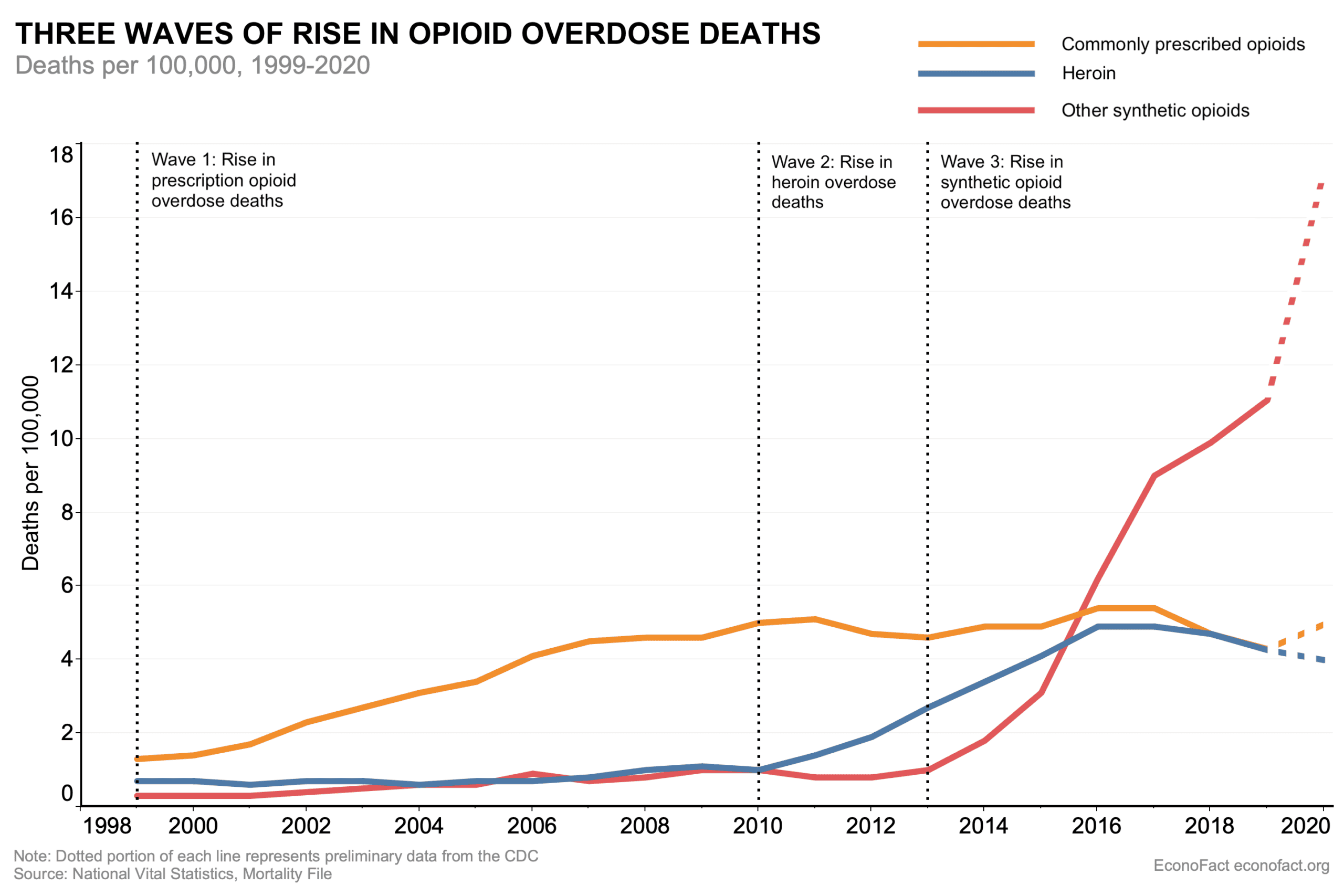
How Opioid Overdoses Reached Crisis Levels. EconoFact.
This feature describes the source and current state of the opioid epidemic, which has caused opioid-related deaths to increase over 70% in less than 25 years. Delving into the history of the epidemic, it describes the impacts of the crisis, and goes on to project its outcomes, as well.
The Opioid Tragedy, Part 1: We’ve Addicted an Entire Generation. Freakonomics.
The first part of a two-part series on opioids, this episode discusses the history of the opioid crisis, fraught with government subsidies and massive profit margins.
The Opioid Tragedy, Part 2: It’s Not a Death Sentence. Freakonomics.
The second part of a two-part series, this episode discusses how to balance the addictive and therapeutic qualities of the drugs, as well as the drug with the potential to massively mitigate the crisis.
Peer Reviewed Articles
Optimizing Return and Secure Disposal of Prescription Opioids to Reduce the Diversion to Secondary Users and Black Market. Socio-Economic Planning Sciences.
With a focus on harm-reduction, this publication proposes policies and strategies to manage the opioid epidemic.These data-backed methods center around returning and preventing prescription opioid misuse.
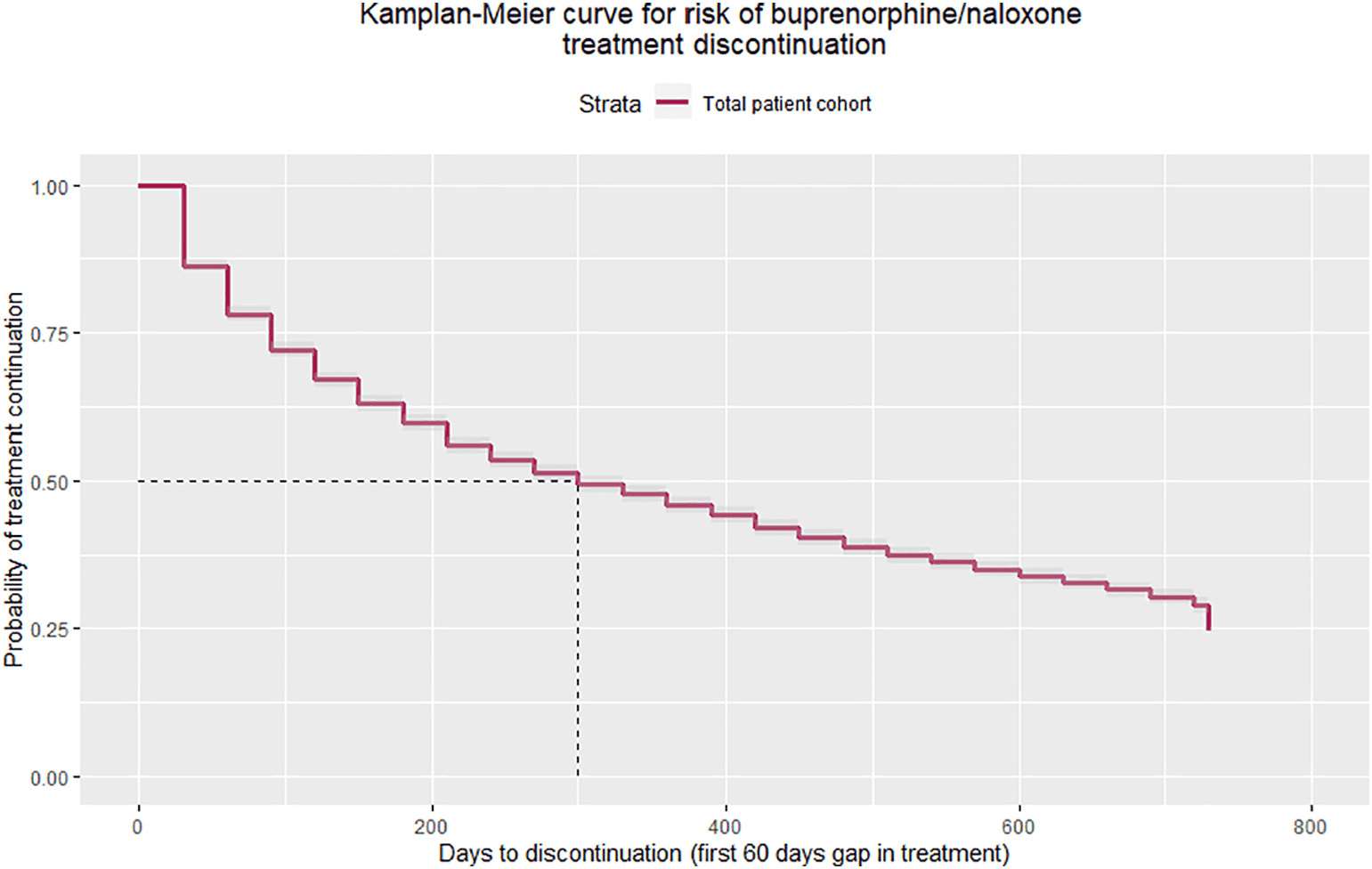
Patterns of Patient Discontinuation from Buprenorphine/Naloxone Treatment for Opioid Use Disorder: A Study of a Commercially Insured Population in Massachusetts. Journal of Substance Abuse Treatment.
Investigating the discontinuation of opioid use disorder treatment, the authors of this study investigate the causes of and demographic statistics related to discontinuation. The study found 75% of patients ceased treatment, with the largest demographic being those aged 18-24, with a 95% discontinuation rate.

Patterns of Buprenorphine/Naloxone Prescribing: An Analysis of Claims Data from Massachusetts. American Journal of Drug and Alcohol Abuse.
Prescriptions of Buprenorphine/Naloxone, medications most commonly used for opioid use disorder, have increased by over 14,000 prescriptions over four years in Massachusetts. Investigating the causes, this study finds that the medications are also being prescribed for pain relief.