Research Projects
The Community to Community (C2C) Impact Lab at the Dukakis Center for Urban & Regional Policy uses data and analysis to help communities design, implement, and evaluate new initiatives that push the needle forward on complex social problems.
Current Projects
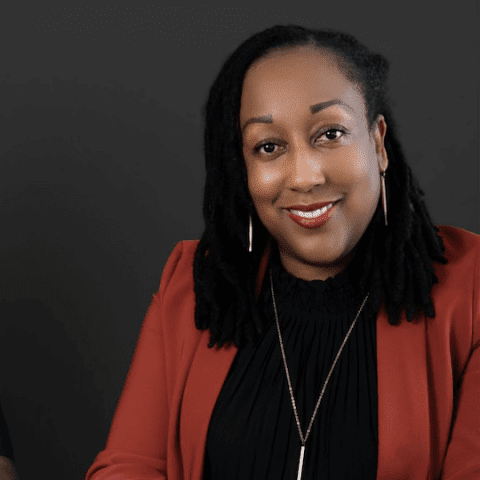
Bay Area Black Voices: Exploring the Experiences of Black Workers in the San Francisco Area
Policy Partners:
Darlene Flynn, Department of Race & Equity, City of Oakland
Alameda County EMS Corps
Motivating Innovators
New Door Ventures
The San Francisco Bay Area is known for its diversity and tech innovation, attracting skilled workers worldwide. However, despite the region’s reputation for employment diversity, data shows that Black and Latino residents make up the majority of low-income earners. Racial and gender disparities compound this issue, resulting in a significant impact on social detriments of health. Recent quantitative research into employment trends in the San Francisco Bay Area has found that discriminatory hiring practices largely contribute to income inequality in the region. Therefore, this study aims to expand on previous work by examining the experiences of Black or African American job seekers between 18 and 65 who are currently part of the San Francisco Bay Area workforce. The current projects’ continued exploration of the Black workforce in the San Francisco Bay Area will help inform the creation of a dashboard that curates job-seeker experiences in the region. Another objective of this study is to investigate how job seekers use the employment dashboard and the benefits it offers in terms of their job-seeking strategy. The results of this qualitative research have implications for creating and updating policies and strategies to eradicate income inequality and workplace discrimination. Further exploration for developing a dashboard for tracking Black job-seeker experiences can offer significant data for prioritizing legal safeguards and requirements for racial equity results-based accountability within San Francisco Bay Area workforce industries.
The Role of Tobacco Control in Community Health for Historically Underrepresented Groups
Policy Partner:
Guido Persicone, Planning Manager, City of East Palo Alto
Miki is leading an evaluation project in the intersection of public health and urban planning. I currently propose to integrate evaluation models into emerging comprehensive plans in resource poor communities to encourage tobacco control. I will partner with the City of Hayward, California to evaluate local tobacco control and to identify population trends in response to smoke-free multifamily ordinance passage as directed by their comprehensive plan. The City of Hayward has updated its comprehensive plan to include an Environmental Justice Element and is committed to protecting the health of its historically marginalized residents.
This partnership with the City of Hayward aims to evaluate the urban plan’s smoke-free housing language and any pursuant outputs and outcomes, whether it’s ordinance passage, heightened community awareness of the harms of secondhand smoke as well as morbidity data. Our investigation aims to build capacity for local tobacco control by evaluating comprehensive plans, ensuring available metrics to indicate meaningful progress on tobacco control goals.


Resurrecting Black Spatial Imaginaries: Participatory Mapping at the Flatbush African Burial Ground
Policy Partner:
Shanna Sabio, Co-Founder & Co-Director, GrowHouse NYC
In partnership with Shanna Sabio of the Brooklyn community arts organization GrowHouse, Cara Michell will facilitate a participatory mapping workshop series and research process rooted in the legacy of the Flatbush African Burial Ground. As part of Cara’s ongoing project, Black Psychogeographies, these maps will document spatial stories about Black memory, history, and future visions for the site. During the academic year, Cara will work with Boston teens and Brooklyn participants to analyze the mapping process and develop a youth participatory mapping toolkit. These community-based collaborations will lead to an academic publication that offers mechanisms for policymakers and urban designers to interpret artistic output as data that can inform culturally sensitive planning decisions.
Evaluating the Impact of Maine’s Paid Family and Medical Leave Law on Postpartum Individuals
Louisa Smith
Policy Partner:
Maine Women’s Lobby
This project pilots a survey to evaluate the impact of Maine’s new Paid Family and Medical Leave (PFML) law on postpartum individuals. Recognizing the law’s potential to enhance health and economic outcomes for families, particularly in the context of Maine’s demographic shifts and rural health disparities, this study aims to inform rulemaking and ensure equitable benefit distribution. The pilot will develop research tools and methods for a larger-scale assessment, focusing on decision-making regarding leave, healthcare access, and health outcomes. Collaboration with the Maine Women’s Lobby and a diverse Community Advisory Board will ensure the survey reflects varied community needs and supports effective policy implementation.
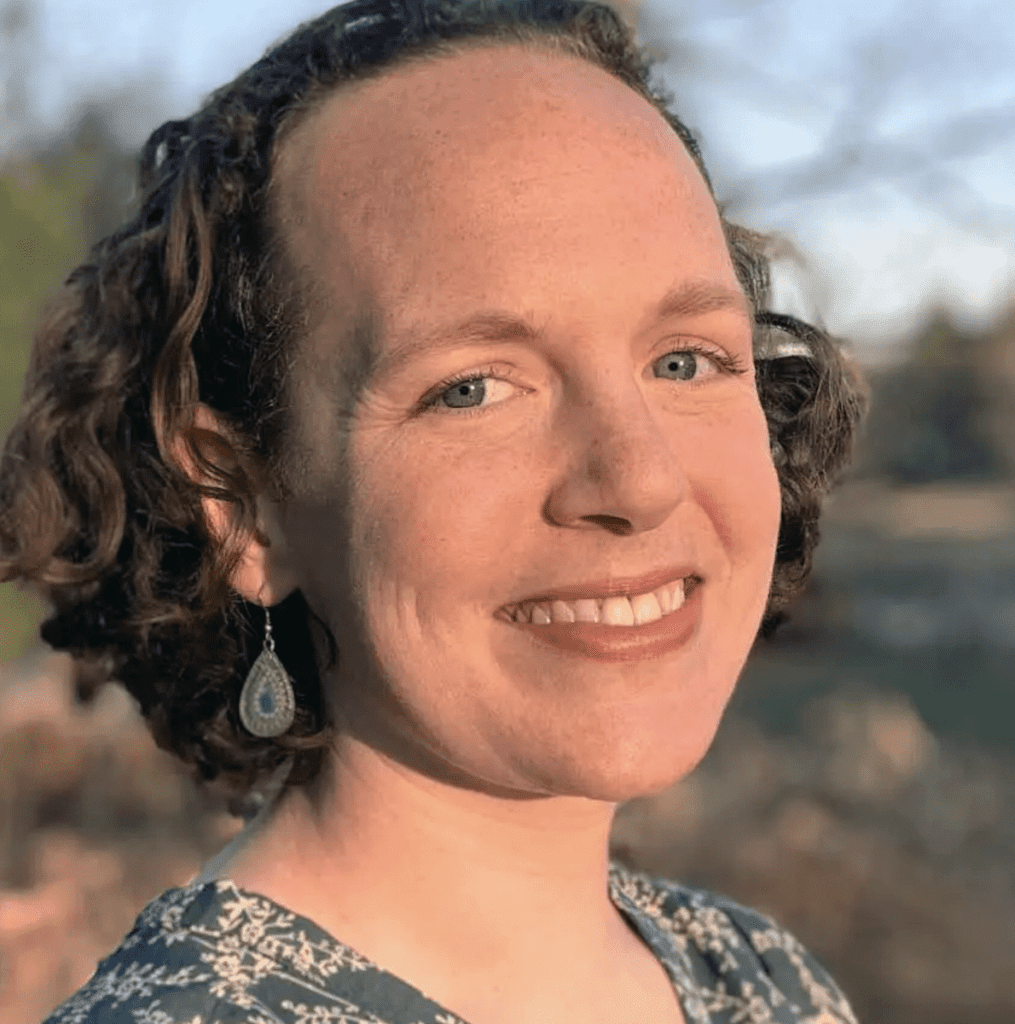
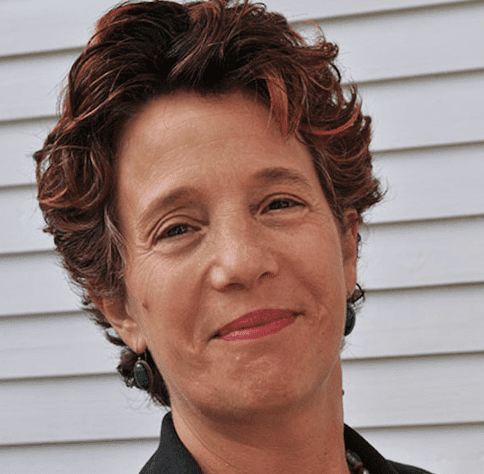
Reproductive Justice Research Collaborative (RJRC)
Suzanna Walters
Policy Partners:
Reproductive Equity Now, Boston, MA
Access Reproductive Justice, Oakland, CA
Working with C2C, the Reproductive Justice Research Collaborative (RJRC) will build on previous work and hold two gatherings with community partners. Hosted by our two anchor partners – one in Boston and one in Oakland – and held at our Boston and Mills campuses, the workshops will develop proactive policy ideas through a process called Appreciative Inquiry (AI). AI is a collective endeavor that builds community while simultaneously producing concrete strategic plans. In addition to developing a collective reproductive justice policy research agenda, the RJRC and its partners will also evaluate the AI process itself as a grassroots policy development tool.
Creating Awareness of Life Science Careers for Rural Communities in Maine
Michael Wilczek
Policy Partner:
Jobs for Maine Graduates
Rural communities face a growing number of challenges like limited exposure to STEM opportunities, constrained funding, and less visibility. Our proposal, Creating Awareness of Life Science Careers for Rural Communities in Maine, uses augmented reality technology to help high school students throughout Maine understand biological concepts and techniques that are key to life science careers such as: polymerase chain reaction, protein quantification assays, and gel electrophoresis. The embedded partnership with Jobs for Maine Graduates will illustrate how these classroom fundamentals build onramps to STEM careers and support Maine’s comprehensive economic development plan to recruit and retain talent.
Establishing the Nicodemus Descendant Genealogy Database
Ashley Adams
Policy Partners:
Angela Bates, Executive Director, Nicodemus Historical Society
Gregory K. Eads, Superintendent Nicodemus National Historical Site
This project involves creating a community-engaged plan for a new Genealogy Database for the historic Black town, Nicodemus, Kansas. In emphasizing the importance of cultural roots and identity, Dr. Adams’ research embodies the ethos of nurturing deep-seated roots in historic Black towns. This project engages Nicodemus descendants in reparative heritage preservation by employing innovative engagement strategies. In developing the database plan, the project will focus on digitizing historical records and establishing a comprehensive model for African American descendant engagement, serving as a blueprint for other historic Black settlements.
Analyzing Existing Data to Justify Recent Policy Changes in Zoning in Ontario, Canada
Omar Badreldin
Policy Partners:
Stephanie Goetz, Statistics Canada
Reza GhasemAghaei, Employment and Social Development Canada (ESDC)
This project develops a series of AI workshops for high school students and teachers. Graduating students will collaborate with the Statistics Canada team in Toronto to apply their skills to contemporary public policy challenges. Statistics Canada will provide the students with large datasets pertaining to city planning, climate change, and public sentiment patterns. The students will apply their learning and perform analysis and data predictions. VentureKids, the key public policy partner in Toronto, is a not-for-profit organization that serves marginalized kids in the Greater Toronto Region. VentureKids will help magnify the impact of this project, and ensure its sustainability beyond this project duration.

Boston Human Exploitation and Trafficking (HEAT) Evaluability Assessment
Katherine Hazen
Policy Partner:
Sergeant Detective Marc Sullivan, Boston Police Department Human Trafficking Unit
For ten years, people who are unhoused and suffering from substance use disorders have lived at the intersection of Mass. and Cass in tents and temporary structures. In 2023, city officials cleared the tents, displacing hundreds of people due to concerns about overdoses, violence, and commercial sex. Commercial sex presents unique challenges for service providers. The BPD partnered with a clinician-peer team to establish the Boston Human Exploitation and Trafficking (HEAT) program with the goal of addressing barriers to working with women engaged in commercial sex and substance use. HEAT ensures health and safety by building autonomy and relational trust to thereby improve institutional trust. This year, we will conduct an evaluability assessment of Boston HEAT to create a comprehensive evaluation plan and apply for funding.
Out-of-state travel for abortion in New England: Identifying support strategies
Brianna Keefe-Oates
Policy Partners:
Kimika Ross, MPP, Co-Founder & Co-Executive Director, Tides for Reproductive Freedom
Josie Pinto, MPH, Co-Founder of New Hampshire Reproductive Freedom Fund
With increasingly restrictive abortion access in many states, more people are traveling to New England for abortion care. The long-term goal of this project is to identify strategies to improve access to abortion for those traveling for care. In this initial phase of the project we will interview abortion care workers in New England about their experiences supporting people traveling from out of state for care. Findings will be shared in a meeting with community partners to discuss further research needs and identify strategies to increase access. The research team includes Northeastern researcher Brianna Keefe-Oates, Josie Pinto, Executive Director of the Reproductive Freedom Fund of New Hampshire, and Kimika Ross, Co-Executive Director of Tides for Reproductive Freedom.
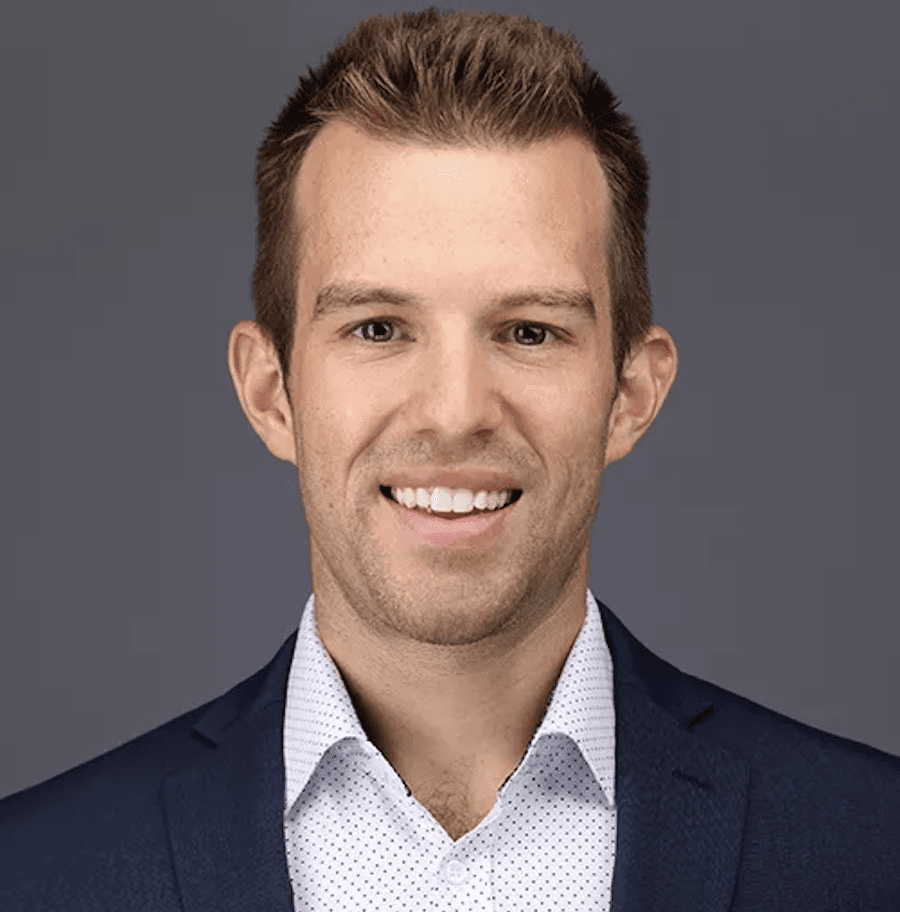
The Health Quality, Cost, and Clinical Productivity Benefit of a Food Referral Program: Building on Existing Evidence from the MidOhio Farmacy
John Lowrey
Policy Partner:
Amy Headings, PhD, Director of Research and Nutrition, MidOhio Food Collective
Healthcare-hunger relief partnership models of care link primary care clinics to community-based social service agencies like food banks or food pantries. Prior research has examined the barriers and facilitators of referral compliance in clinic-based food referral programs, however, these factors complicate causal effect estimates of program evaluation studies. Compliance, defined as making at least one visit to the food pantry after referral, is notoriously low in these types of programs and usually range from 0-15%. The seed grant will build on existing empirical analyses of the MidOhio Farmacy program—from a community collaboration in central Ohio—to (1) optimize programmatic features and better identify treatment effects, and (2) aid to other Feeding America member Food Banks with a vested interest in healthcare partnerships.
Black Artists Creating a Culture of Health through Arts-in-Health Collaborations
Rebekah E. Moore
Policy Partners:
Boston Public Health Commission
Boston Office of Arts and Culture
Ethnomusicologist Dr. Rebekah E. Moore and arts activist Aziza Robinson-Goodnight’s research explores how involving Black artists in public health initiatives can mitigate racialized health disparities in intensely segregated cities. To scale their pilot study to a citywide intervention, they need policy partners in public health and arts and culture. With C2C Seed Funding, they will establish research partnerships bridging the missions of a public health commission, which tracks health outcomes data and sets health equity priorities, and office of arts and culture, which coordinates grant opportunities and sets arts equity priorities, to mobilize policy advocacy for future arts-based public health research and interventions.
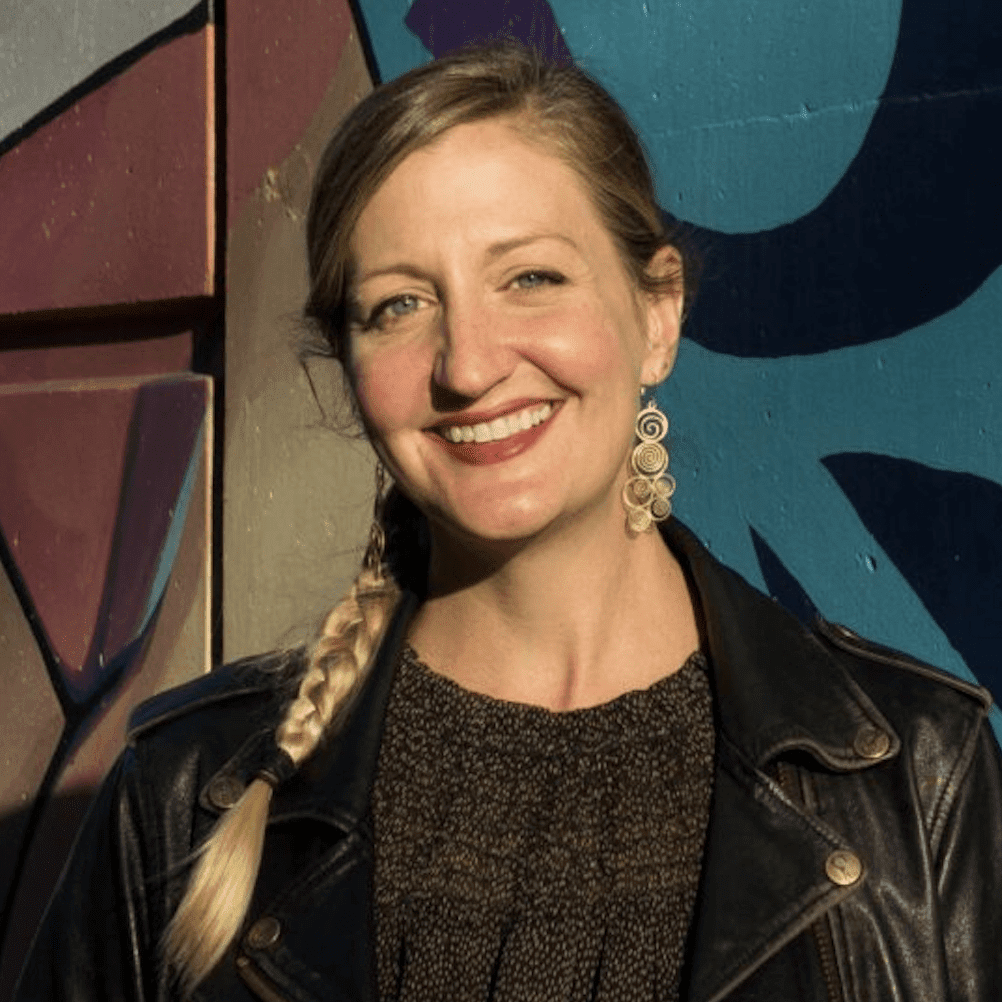

Support a Comprehensive Environmental Scan to Inform Strategic Planning
Adam Parker
Policy Partner:
Dress for Success Washington D.C.
Funding from Northeastern’s C2C initiative will support Adam Parker to conduct research to set up DFSWDC for a more comprehensive environmental scan to inform the organization’s strategic planning process. Adam brings over twenty years of experience in social equity, economic development, and education as an educator, researcher, and organizational consultant who skillfully engages in complex analysis to provide thoughtful, clear, and comprehensible results.
The following research questions will be addressed through this work:
- What would DFSWDC look like at scale? What kinds of change would it be able to facilitate?
- Are there other models (either within or outside of the DFS network) that can serve as a guide?
- What assets (human capital, reputation, connections, etc.) does DFSWDC bring to this effort?
- What are the prospects for a sustainable research partnership with Northeastern in Arlington (NUA)? How much of their existing connection can serve as a model?
- Are there “quick wins” that would enable the SFSWDC to demonstrate its increased relevance to funders, possibly spurring increased general support or creation of new initiatives?
Jail to Jobs (J2J) Pipeline Project
Deborah A. Ramirez
The Jail to Jobs Pipeline (J2J) Project, led by Northeastern Law Professor Deborah Ramirez, works to resolve recidivism while resolving the nation’s labor shortage. Professor Ramirez and Northeastern’s Criminal Justice Task Force have successfully designed the necessary infrastructure in Massachusetts to create the J2J Pipeline. Throughout Massachusetts, there are currently 19 Community Justice Supports Centers (CSJC). The J2J Pipeline would ensure that among the resources provided by the CSJCs are those that lead to obtaining a job.
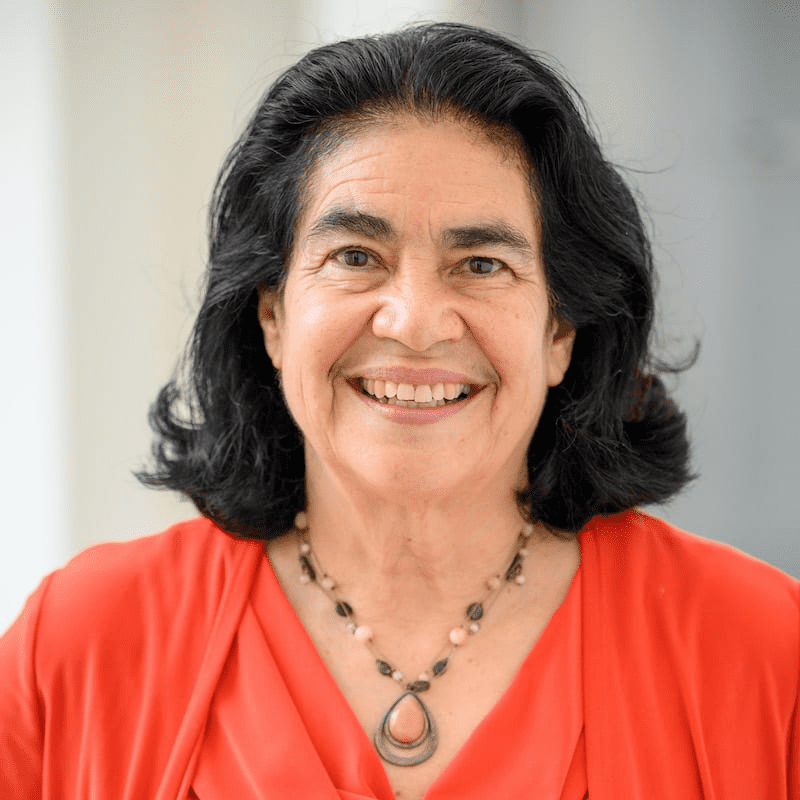

Generating Evidence-Based Guidelines for Green Space Access and Design
Katherine Simmonds
Policy Partner:
Zel Bowman-Laberge, Co-chair, Ad Hoc Park Committee, Select Board of the Town of Thomaston, Maine
Across the United States, people in rural areas are older, sicker, and poorer than those in urban areas. The roots of these inequities are multi-factorial, and include higher rates of poverty, lack of insurance, and less access to health care. Parks are increasingly recognized as contributors to positive health outcomes, and as a type of healthcare infrastructure in and of themselves. This grant will support further collaboration between Northeastern and the Town of Thomaston, in rural Knox County, Maine, in redesigning the historic 15-acre Green to become a more inviting, well-utilized outdoor park that promotes community health and wellness.
Who Gets to Be a Writer?: Studying Equity in Contemporary US Literature
Juliana Spahr
Policy Partner:
Syd Staiti, Executive Director, Small Press Traffic
“Who Gets to Be a Writer,” led by Yakov Bart (D’Amore-McKim School of Business), Samsun Knight (University of Toronto’s Rotman School of Management), Juliana Spahr (Mills College), and Stephanie Young (Mills College), is at once a foundational inquiry into the mechanics of literary production and an attempt to better understand the historical trajectories of authorship, prestige, institutional forces, publishing, and circulation that have a significant impact on both literary aesthetics and access across the late twentieth century into the present. We are partnering with Small Press Traffic (a Bay Area literary organization) and will be examining the entry paths for writers who are not part of networks that come with elite institutional ties. We are interested in discovering what other networks may enable these writers, and what writers and literary institutions of all sizes may have to learn from them.
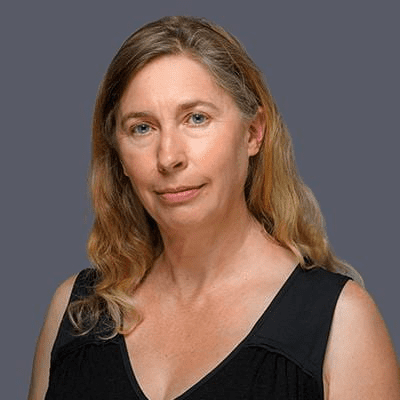
The Equity Toll of “Business as Usual” during the Pandemic: Can we do better?
Carol Theokary
Policy Partner:
Alliance for Community Development
RUNWAY
Extant literature shows evidence of better access to financing for small businesses with existing ties to financial institutions. This study investigates whether private sector enterprises that utilize these approaches potentially contribute to the growing inequities between the affluent vs. underserved consumer groups. Using the example of the Paycheck Protection Program (PPP) during the COVID-19 pandemic, we uncover that the allocation of scarce resources by private companies did not serve the pressing needs of small business owners in socio-economically disadvantaged communities. Our results establish the importance of a timely governmental intervention and have interesting equity implications that offer prescriptive guidance to marketers and public policy makers.
Okinawan Community Writing Project: Decolonizing Culture through Research Justice
Jane Yamashiro
Policy Partner:
Yuko Yamauchi, Executive Director, Okinawa Association of America (OAA)
With the long-term policy goal of gaining recognition as an ethnic group on the U.S. Census and collecting demographic data about this unrecognized Indigenous population, this community-led project promotes recognition of “Okinawans” as an ethnic group in the United States through the creation of publishable materials on Okinawan culture and history. Okinawans are typically subsumed as “Japanese” despite their claims of ethnic difference and a pre-contact history as an independent kingdom. Dr. Jane H. Yamashiro is working with the Okinawa Association of America (OAA), a non-profit community organization based in California, to create a decolonizing infrastructure for training community members to research and write the OAA’s community-produced book on Okinawan culture and community in Los Angeles. This project may be a model for other underrepresented and marginalized groups as they try to reclaim lost cultural knowledge and histories – and eventually gain social recognition as ethnic groups and Indigenous Peoples.
Past Projects
Descendant Survey and Genealogy Database Project
Ashley Adams
Policy Partners:
Angela Bates, Executive Director, Nicodemus Historical Society
Gregory K. Eads, Superintendent Nicodemus National Historical Site
This project seeks to enhance the involvement of African American descendants and prioritize efforts for a future genealogy database for Nicodemus, Kansas. Nicodemus was founded by formerly enslaved African Americans in 1877 and was declared a National Historic Site by Congress in 1996. This project aims to advance equity by creating a new descendant survey model that is applicable for other historic Black settlements, like Allensworth, California. In partnership with the Nicodemus Historical Society, the project aims to create an African American descendant survey model to track ancestral roots for reparative justice policymaking.
An Initiative to Create Green Technology Career Ladders In Boston & Oakland
Policy Partners:
Daniel Hamilton, Sustainability Manager, Oakland Department of Public Works
Sofia Navarro, Interim Director, Oakland Economic & Workforce Development
Kannan Thiruvengadam, Director, Eastie Farm, Boston
There is high growth potential in the green economy, broadly defined. The green economy comprises many employment categories and includes jobs that require only a high school education to those that require advanced degrees. The question is how to link young people in frontline communities to jobs in the green economy that pay decent wages and have advancement potential. This project will examine green economy career ladder programs to identify what works and why. Then, in collaboration with community organizations, high schools, community colleges, and universities we will develop at least one green technology career ladder program in Boston and in Oakland that serves youth in frontline communities.

Community Innovation Lab: Countering Gentrification
Mario Hernandez
Policy Partner:
G.T. Reyes, Ph.D. Associate Professor of Educational Leadership, CSU East Bay, Board Member, Homies Empowerment
Dr. Shellae Versey and Mario Hernandez are co-developing a Community Innovation Lab which will serve as a central resource for academics, activists, and policymakers working to counteract the harmful effects of gentrification. Given the rapid pace of gentrification and displacement in cities around the world, The Lab will serve as a collective hub and incubator lab for innovative ideas and creative solutions for preserving and improving communities facing the threat of displacement and other harmful consequences of gentrification. The Lab will examine both large-scale policy and community-led initiatives to characterize the full scope and success of anti-displacement measures. We plan to partner with Homies Empowerment, a grassroots, community-based organization based in Oakland that focuses on the city’s youth. Our goal is to evaluate their pilot efforts centered on a recent acquisition of a property in East Oakland that they are working to convert into affordable housing. This program may serve as a model for sustainable community-led land reclamation and anti-displacement strategies in communities around the country.
Using Telemetric Mobility Data to Build a Better Early Warning System for Discrimination in Police Traffic Stops
Matthew B. Ross
Policy Partner:
William R. Dyson, Chairman, Racial Profiling Prohibition Project Advisory Board, State of Connecticut
States and localities face considerable challenges in producing, acting on, and sharing data on racially disparate treatment and outcomes in traffic enforcement. While many states require police to collect data on the race of the drivers involved in traffic stops, they often lack the capacity to analyze it. Best practices rely on complex statistical tests largely due to a lack of available data on driver demographics. This project develops a new methodology by leveraging “big data” on telemetric mobility patterns. This project will engage with state and local policing agencies in the Northeast to assist in their collection of race/ethnicity in traffic stops and aide in their development of data-driven early warning systems to identify disparities.

Bay Area Black Voices: Employment Outcomes of the Black Labor Force in The San Francisco Bay Area
NNeka Allen-Harrison
Policy Partners:
Mills at Northeastern Upward Bound
Alameda County EMS Corps
Motivating Innovators
Stand In Peace
Infinity Investments
#Buildwealth Movement™
Research suggests it is important to understand the impact of employment trends on the workforce to affect policy, resource distribution, and expand income opportunities for our most vulnerable citizens (Bohn, S., & Thorman, T., n.d.). This qualitative study investigates employment trends for the Black labor force in the San Francisco Bay Area and the role of empowerment learning in helping to improve economic outcomes for African-Americans. Although the San Francisco Bay Area is noted for its global diversity and tech innovation spaces, income inequality exists across race and gender, resulting in significant economic insecurity for those most impacted (Economic Policy Institute, n.d.). The unit of analysis for this study is individuals who identify as African-American and earn their living as a member of the San Francisco Bay Area workforce. A sample of 10 adults between the ages of 18 and 55 will inform the findings of this study. Triangulated data includes 45-minute semi-structured interviews, a Google Form questionnaire, and reflection memos written by the researcher. Key staff from local community-based organizations (CBOs) will also participate in a 45-minute interview designed to glean information to inform organizational policy decisions focusing on improving economic outcomes for African-Americans. This study has implications for the research needs of CBOs, higher education institutions concerned about improving workforce and innovation opportunities for the most vulnerable citizens in urban areas, career technical education (CTE) programs, secondary school teacher preparation programs, and local employment civil rights policy.
Refuge: Community-Guided Design Guidelines for Extreme Heat and Green Space Inequity in Chelsea, MA
Sara Jensen Carr
Bianca Bowman, Climate Justice Coordinator, GreenRoots
Extreme heat widens spatial and health inequities as the brunt of heat islands, flooding, and air pollution fall on low-income neighborhoods and communities of color which often also lack parks and urban tree canopy that can mitigate these environmental effects. Prioritizing public space improvements that provide shade and cooling in the summers and opportunities for year-round activities should be prioritized as a key civic infrastructure. This proposal, based in Chelsea, MA, with GreenRoots as a partner, seeks to advance best practices for public space, shade, and cooling as a civic resource and means towards climate justice.
Interactive Visual Exploration of opioid exposure on Preterm Births in Oakland, California
John Alexis Guerra Gomez
Policy Partners:
Sonoma County Women’s Recovery Services
Ohlhoff House Addiction Recovery, San Francisco
Preterm birth rates are a leading cause of newborn morbidity and mortality in the world. In 2021,10.5% of the live births in the US were preterm, a number that has been increasing since 2015. This increase is associated with long-term health problems such as cognitive impairment, development delays, and chronic health conditions. Moreover, preterm birth medical costs were four times more than those of term births. This condition is aggravated by the fact that communities of color tend to have bigger preterm birth rates in the US which means that lower income families are facing these higher medical costs. This project aims to enable decision- and policy-makers to extract insights related to preterm birth data in Oakland, California, and other communities. We will leverage the expertise of years of collaboration with the Kangaroo Foundation, our external partner, while inviting collaboration from other local partners and data sets to better address challenges faced by Oakland communities. Facilitating the extraction of insights from the research by policy makers is aimed to support data-based policies to improve public health in the region.
Understanding the Role of Tobacco Control in Community Health for Underrepresented Groups
Miki Hong
Policy Partner:
Guido Persicone, Planning Manager, City of East Palo Alto
Public health and urban planning share social justice concerns related to equity and access to essential services. I study urban planning strategies to aid tobacco control and demonstrate that there is a direct relationship between design and livability. Public health advocates, through their involvement in the creation of nonbinding “comprehensive” plans, affect land use agendas. Clean air with smoke-free spaces and tobacco-free green spaces is a determinant of health that has generated community activity to pursue changes in tobacco-use policies. My research aims to understand how communities can ensure that their health goals are not outclassed by competing interests when legislation is drafted to implement goals in the “comprehensive” plan.


Creative Industry Pathway and the Future of Oakland
Clifford Lee
Policy Partner:
Civic Design Studio
HKIT architects
MidPen Housing
Laney College
Oakland Unified School District
This proposal seeks to examine the impact of a community-based, high school and community college creative industries pathway program. Partnering with Civic Design Studio, an organization that specializes in cultural impact projects; “large-scale public displays, cultural celebrations and multigenerational design build projects,” this study seeks to understand how we can support workforce development in the creative industries. The goal is to introduce teen and young adult artists to creating multimodal public art that incorporates various techniques (painting, illustration, digital design, mixed media, digital fabrication, and more) with industry partners in housing and architecture. Utilizing a participatory action research methodology, data will be collected from key stakeholders to answer the question: What extent does industry partnerships support authentic learning and workforce development in the creative industries?
Assessing Massachusetts Immigration Legal Service Capacity
Isabel Martinez
Policy Partner:
Liz Sweet, Executive Director, Massachusetts Immigrant and Refugee Advocacy Coalition
Officially, Massachusetts is the home to over 1 million immigrants, making up nearly 18% of all Massachusetts residents (Migration Policy Institute 2021; American Immigration Council 2020). These numbers, however, are increasing and the sending countries are varying. While nearly 500,000 immigrants arrived after 2010, just between May and August 2022, over 2000 immigrants arrived from countries that differ from those historically represented in Massachusetts including Venezuela, Colombia, and Peru, as well as Guatemala and Honduras. MA immigration legal service providers, however, have long known about the growing and changing immigrant population and it is common knowledge that the supply of legal services for immigrants lags behind the demand in the Bay State. Using a mixed-methods approach, this project aims to understand and assess the capacity of immigration legal services in Massachusetts in order to support the Massachusetts Immigrant Refugee Advocacy (MIRA) coalition and their work in terms of funder engagement, funding coordination and alignment, member-led initiatives and strategic messaging.
TEAM Health: Technology-Enhanced Approaches to Mental Health Navigation in Families with Young Children
Beth Molnar
Policy Partner:
Boston Public Health Commission
Social/emotional difficulties among children 1-8 years are associated with future psychopathology and other impairments. However, only 25% in need receive services, with underrepresented minorities experiencing worse gaps. Family Partners (FP) are paraprofessionals and parents who raised children with health/mental health difficulties. Working with the Boston Public Health Commission, we will utilize user-centered, participatory design approaches to develop smartphone technology to enhance and personalize care coordination and family support provided in a model we previously evaluated pairing FPs with mental health clinicians. Development of innovative technological tools has potential to decrease gaps in screening, referrals, and services and to promote sustainability.
Care Can’t Wait
Adam Parker
Policy Partner:
Yeen Lama, Associate Director of Research, Caring Across Generations
The research will evaluate the impact of American Rescue Plan Act (ARPA) funding on care workers and unpaid family caregivers in California. Specifically, this research will evaluate: (1) caregiver workforce development efforts to streamline training, attract new workers, and promote career advancement in the field with the end goal of improving patient care; (2) the impact of a multi-year state effort to raise the pay of caregivers serving people with developmental disabilities; and (3) whether supportive services and training offered by the Home and Community-Based (HCBS) spending plan alleviates unpaid caregivers’ economic, physical, and emotional burden.


Determining the Organizational Social Conditions That Enable Leaders to Surpass Precarious Leadership Roles
Adora Ubaka
Policy Partner:
Wendy Zinn, Chief of Partnerships & Social Responsibility, YMCA OF GREATER BOSTON
Research in the area of job design suggests that positions can be restructured in such a way as to alleviate gender and racial disparities, which might be implicitly built into job roles (Kalev, 2009). For leaders from historically excluded groups (i.e., women; BIPOC) high-risk, and often precarious leadership roles such as in non-profit organizations may offer the critical career breaks that enable them to gain the credibility and visibility needed for advancement and future career success. As such, while risky, these roles may still serve as a pathway to greater career upward mobility; especially for employees whose social group has been historically relegated to the bottom of the economic ladder. Building on research on the glass cliff, the purpose of the proposed study is to uncover the often-overlooked conditions around organizational support that enable leaders who take such roles to be more successful and effective in contributing towards organizational goals. This study seeks to augment organizational practices within non-profit, community-based organizations so that non-profit leaders may be more effective in serving their constituents and community.