Ongoing Projects
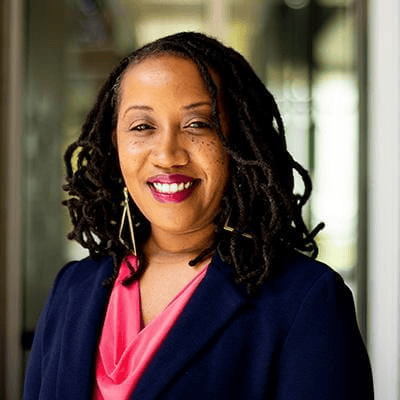
Ashley Adams
Policy Partners: Angela Bates, Executive Director, Nicodemus Historical Society; Gregory K. Eads, Superintendent Nicodemus National Historical Site
Descendant Survey and Genealogy Database Project
This project seeks to enhance the involvement of African American descendants and prioritize efforts for a future genealogy database for Nicodemus, Kansas. Nicodemus was founded by formerly enslaved African Americans in 1877 and was declared a National Historic Site by Congress in 1996. This project aims to advance equity by creating a new descendant survey model that is applicable for other historic Black settlements, like Allensworth, California. In partnership with the Nicodemus Historical Society, the project aims to create an African American descendant survey model to track ancestral roots for reparative justice policymaking.
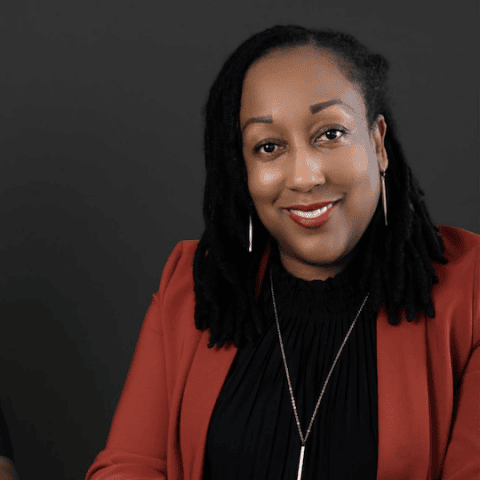
NNeka N. Allen-Harrison
Policy Partners: Mills at Northeastern Upward Bound, Alameda County EMS Corps, Motivating Innovators, Stand In Peace, Infinity Investments, #Buildwealth Movement™
Bay Area Black Voices: Employment Outcomes of the Black Labor Force in The San Francisco Bay Area
Research suggests it is important to understand the impact of employment trends on the workforce to affect policy, resource distribution, and expand income opportunities for our most vulnerable citizens (Bohn, S., & Thorman, T., n.d.). This qualitative study investigates employment trends for the Black labor force in the San Francisco Bay Area and the role of empowerment learning in helping to improve economic outcomes for African-Americans. Although the San Francisco Bay Area is noted for its global diversity and tech innovation spaces, income inequality exists across race and gender, resulting in significant economic insecurity for those most impacted (Economic Policy Institute, n.d.). The unit of analysis for this study is individuals who identify as African-American and earn their living as a member of the San Francisco Bay Area workforce. A sample of 10 adults between the ages of 18 and 55 will inform the findings of this study. Triangulated data includes 45-minute semi-structured interviews, a Google Form questionnaire, and reflection memos written by the researcher. Key staff from local community-based organizations (CBOs) will also participate in a 45-minute interview designed to glean information to inform organizational policy decisions focusing on improving economic outcomes for African-Americans. This study has implications for the research needs of CBOs, higher education institutions concerned about improving workforce and innovation opportunities for the most vulnerable citizens in urban areas, career technical education (CTE) programs, secondary school teacher preparation programs, and local employment civil rights policy.
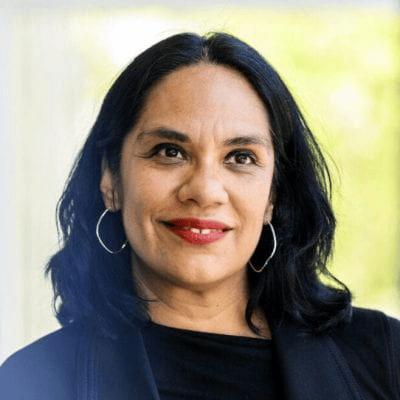
Isabel Martinez
Policy Partner: Liz Sweet, Executive Director, Massachusetts Immigrant and Refugee Advocacy Coalition
Assessing Massachusetts Immigration Legal Service Capacity
Officially, Massachusetts is the home to over 1 million immigrants, making up nearly 18% of all Massachusetts residents (Migration Policy Institute 2021; American Immigration Council 2020). These numbers, however, are increasing and the sending countries are varying. While nearly 500,000 immigrants arrived after 2010, just between May and August 2022, over 2000 immigrants arrived from countries that differ from those historically represented in Massachusetts including Venezuela, Colombia, and Peru, as well as Guatemala and Honduras. MA immigration legal service providers, however, have long known about the growing and changing immigrant population and it is common knowledge that the supply of legal services for immigrants lags behind the demand in the Bay State. Using a mixed-methods approach, this project aims to understand and assess the capacity of immigration legal services in Massachusetts in order to support the Massachusetts Immigrant Refugee Advocacy (MIRA) coalition and their work in terms of funder engagement, funding coordination and alignment, member-led initiatives and strategic messaging.
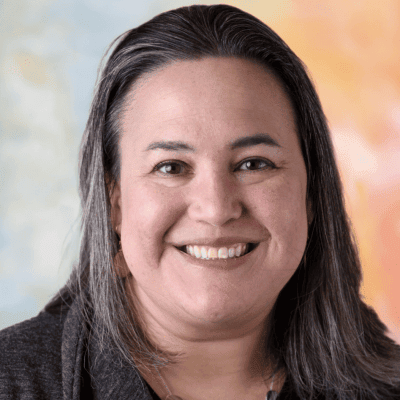
Sara Carr
Bianca Bowman, Climate Justice Coordinator, GreenRoots
Refuge: Community-Guided Design Guidelines for Extreme Heat and Green Space Inequity in Chelsea, MA
Extreme heat widens spatial and health inequities as the brunt of heat islands, flooding, and air pollution fall on low-income neighborhoods and communities of color which often also lack parks and urban tree canopy that can mitigate these environmental effects. Prioritizing public space improvements that provide shade and cooling in the summers and opportunities for year-round activities should be prioritized as a key civic infrastructure. This proposal, based in Chelsea, MA, with GreenRoots as a partner, seeks to advance best practices for public space, shade, and cooling as a civic resource and means towards climate justice.
Jeremy Sorgen
Hitch Stories
Hitch Stories is an intergenerational storytelling and storylearning project focused on Clear Lake hitch, an endangered fish that is culturally significant to Clear Lake Tribes. Native youth will learn about cultural heritage through interviews with Tribal Elders and co-create a GIS StoryMap.
Patrice Williams
Climate Justice Ready
The purpose of this study is to conduct an international comparative study of climate-related risks to gentrification for historically vulnerable populations in Boston, Chelsea, Everett, and Barcelona.