Christian Orthodoxy is expanding rapidly – but not quite in the way the public might think. On January 3rd, The Columbian ran the article, “Converts are finding Eastern Orthodoxy online,” by Krysta Fauria, which examined the disparities between the online presence of the Christian Orthodox religion and the in-person reality. Due to increased Internet presence multiplying the reach of Orthodoxy messages, business is booming, but like seemingly everything on the Internet, certain messages have been distorted in the process.
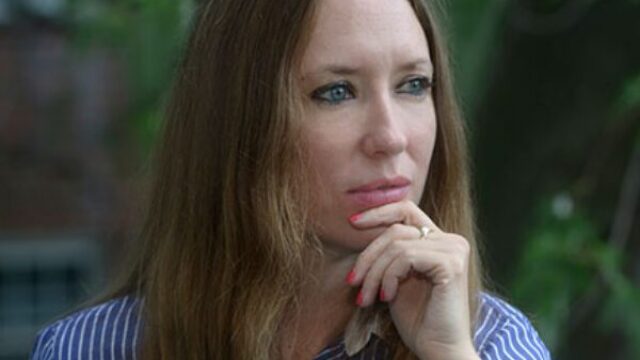
A common assumption, Fauria explains, is that the largest converting demographic since 2020 is white, far-right-leaning males. However, many Orthodox church-goers report that their community is much more fluid than representations of their faith online. Sarah Riccardi-Schwartz, Northeastern University Assistant Professor of Religion and Anthropology and affiliated WGSS faculty, is quoted in the article, explaining, “By and large, Orthodox Christians are not far right. It’s a minority group within a minority religious tradition.”
While it’s true that devout Orthodox lead a disciplined lifestyle and no religion is without extremists, Fauria illuminates a picture that is much larger and diverse than the Internet might suggest. Read the article here.